
Products
Glass Containers
Boston round, dropper, and cosmetic glass bottles and jars for premium food, beverage, and beauty lines. Every item is custom-manufactured to your specification—request a quote with your size, material, and printing requirements.
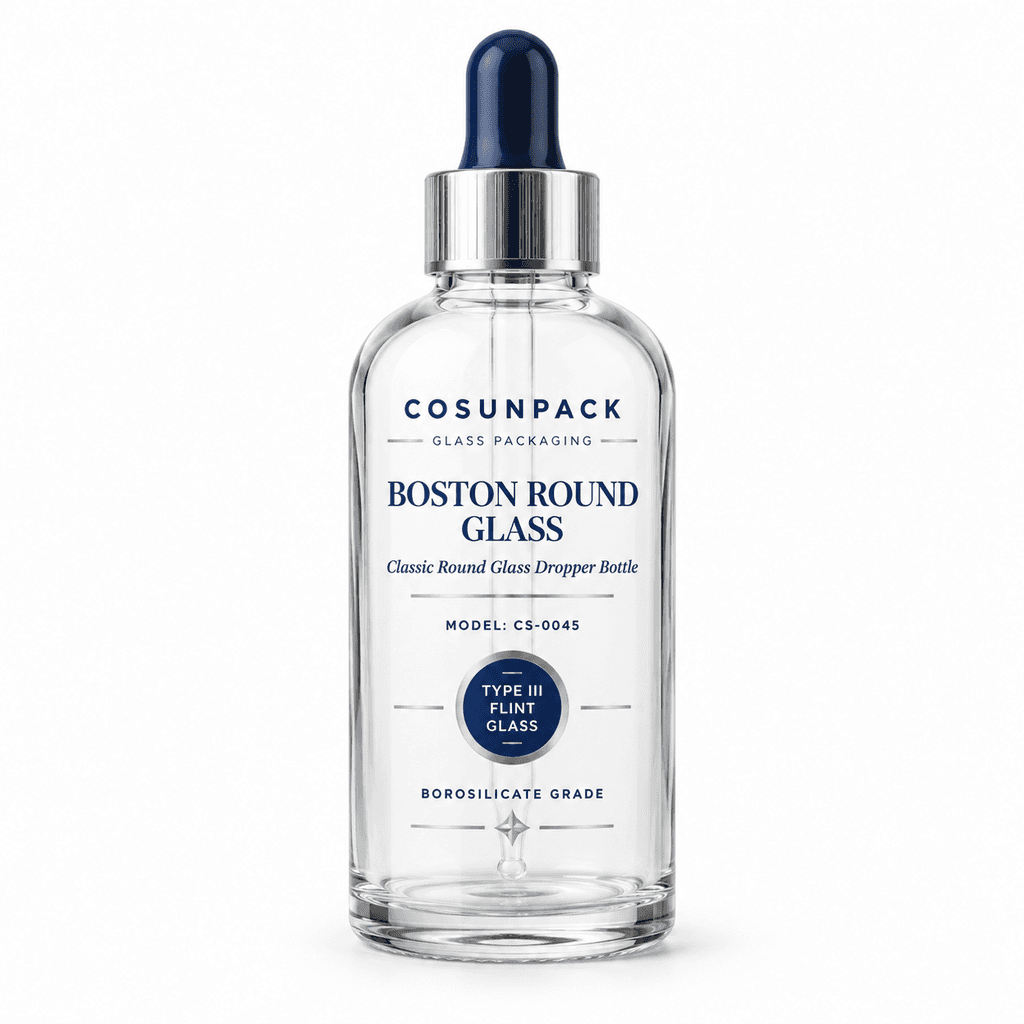
Boston Round Bottle
CS-0045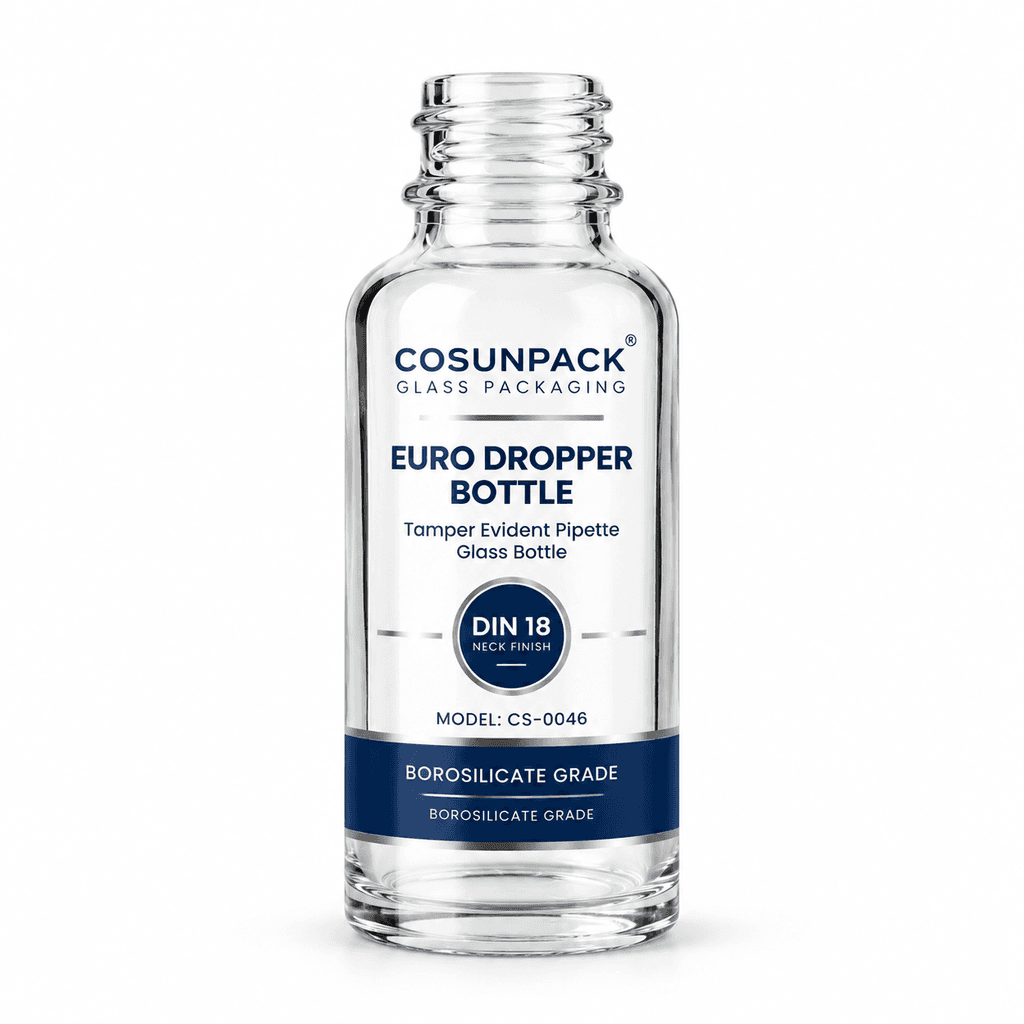
Euro Dropper Bottle
CS-0046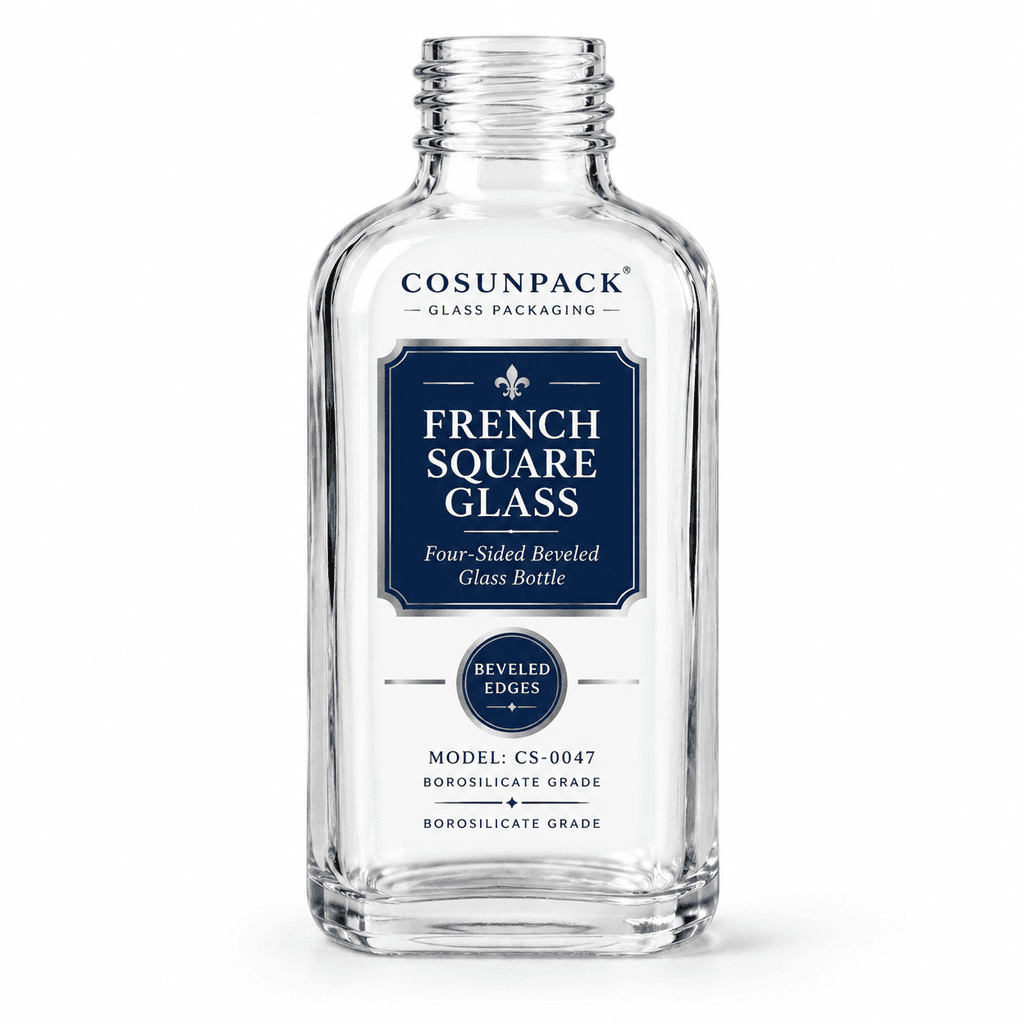
French Square Bottle
CS-0047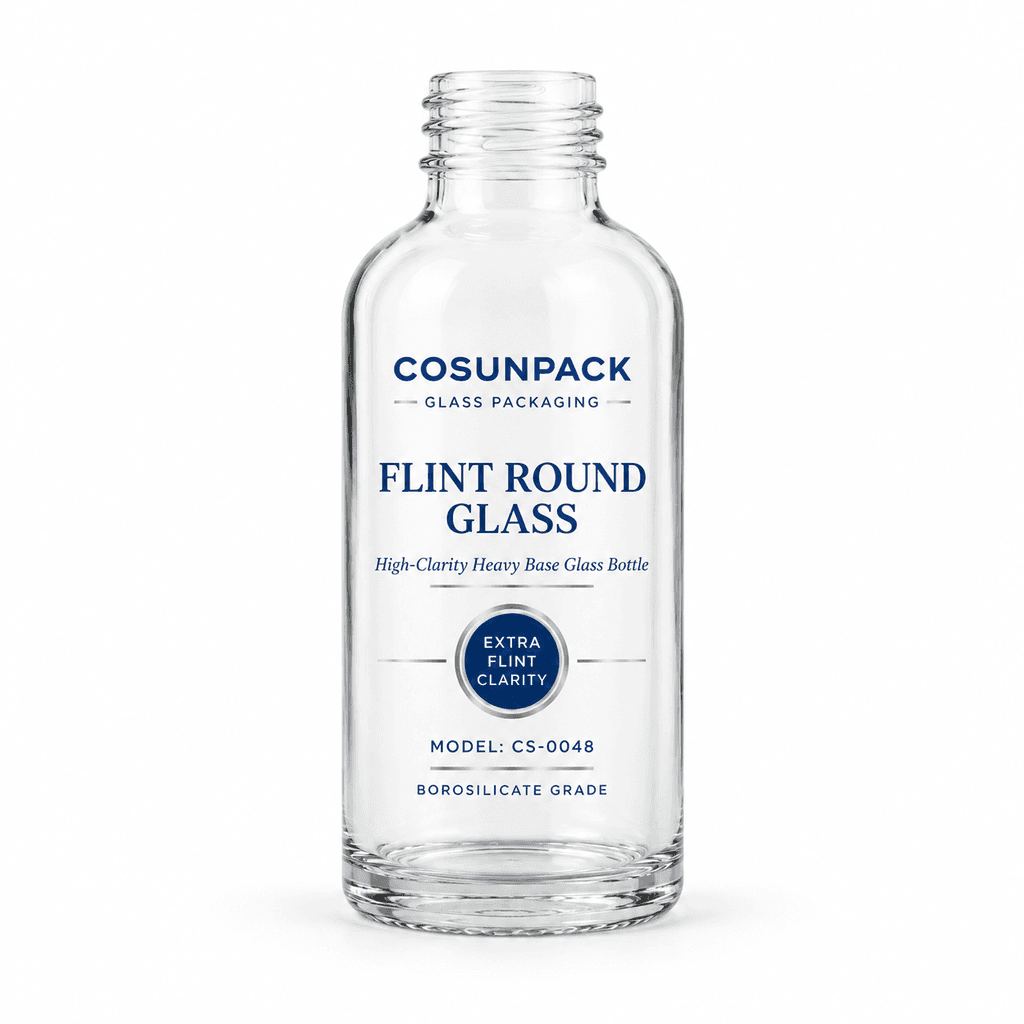
Flint Round Bottle
CS-0048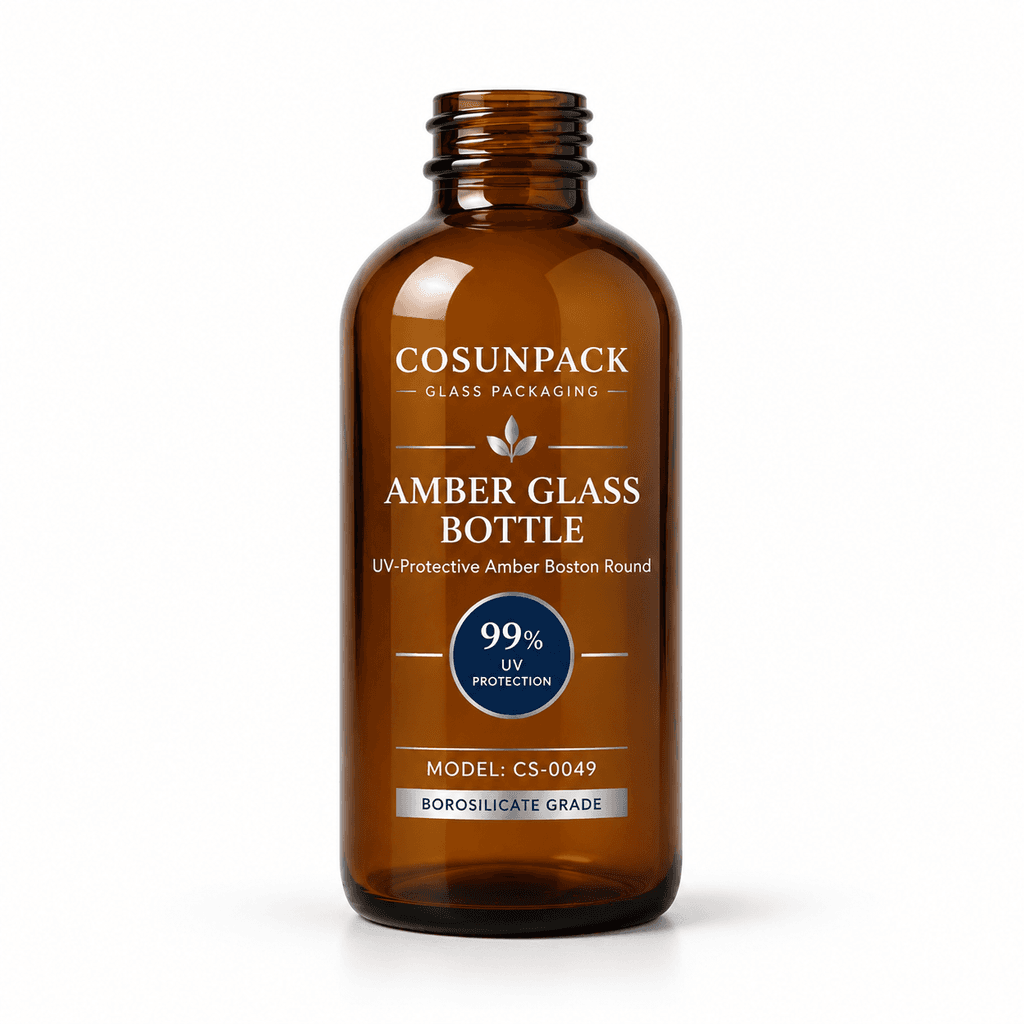
Amber Boston Round
CS-0049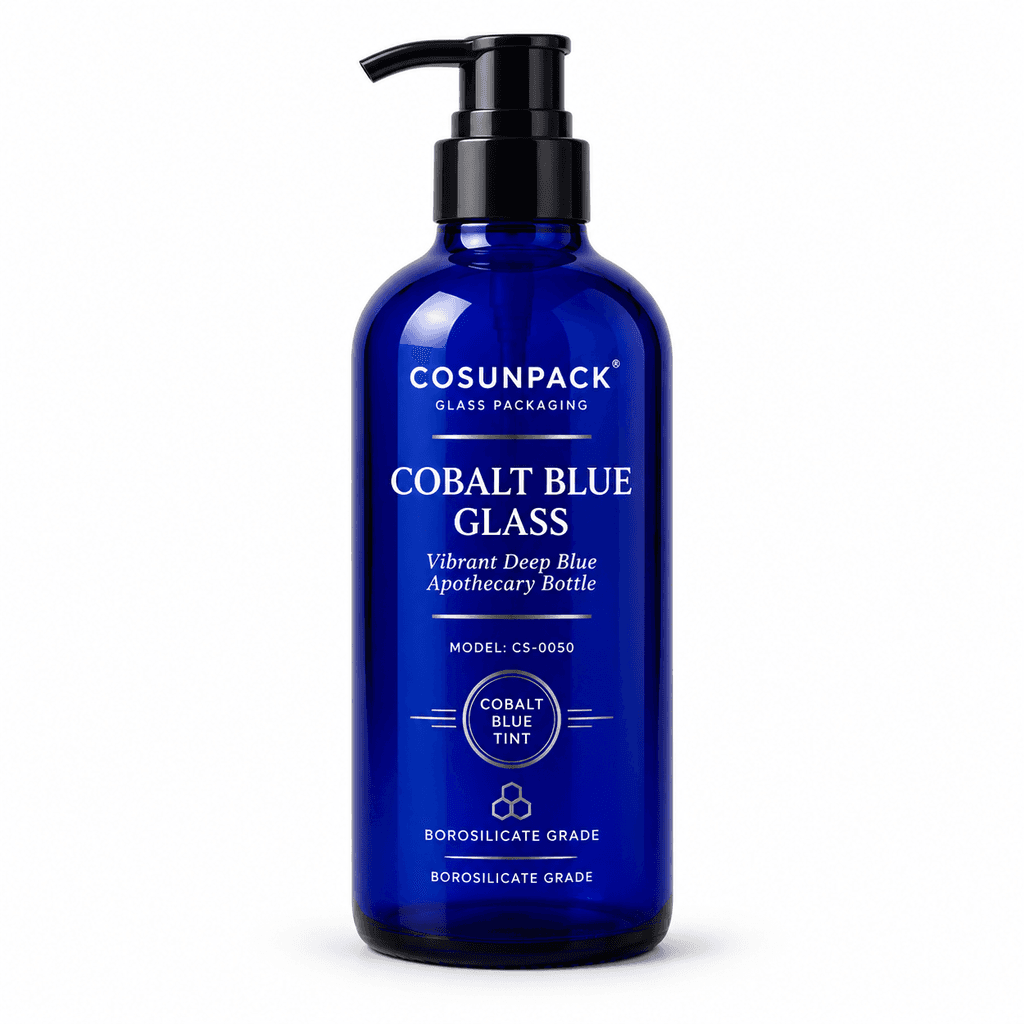
Cobalt Blue Bottle
CS-0050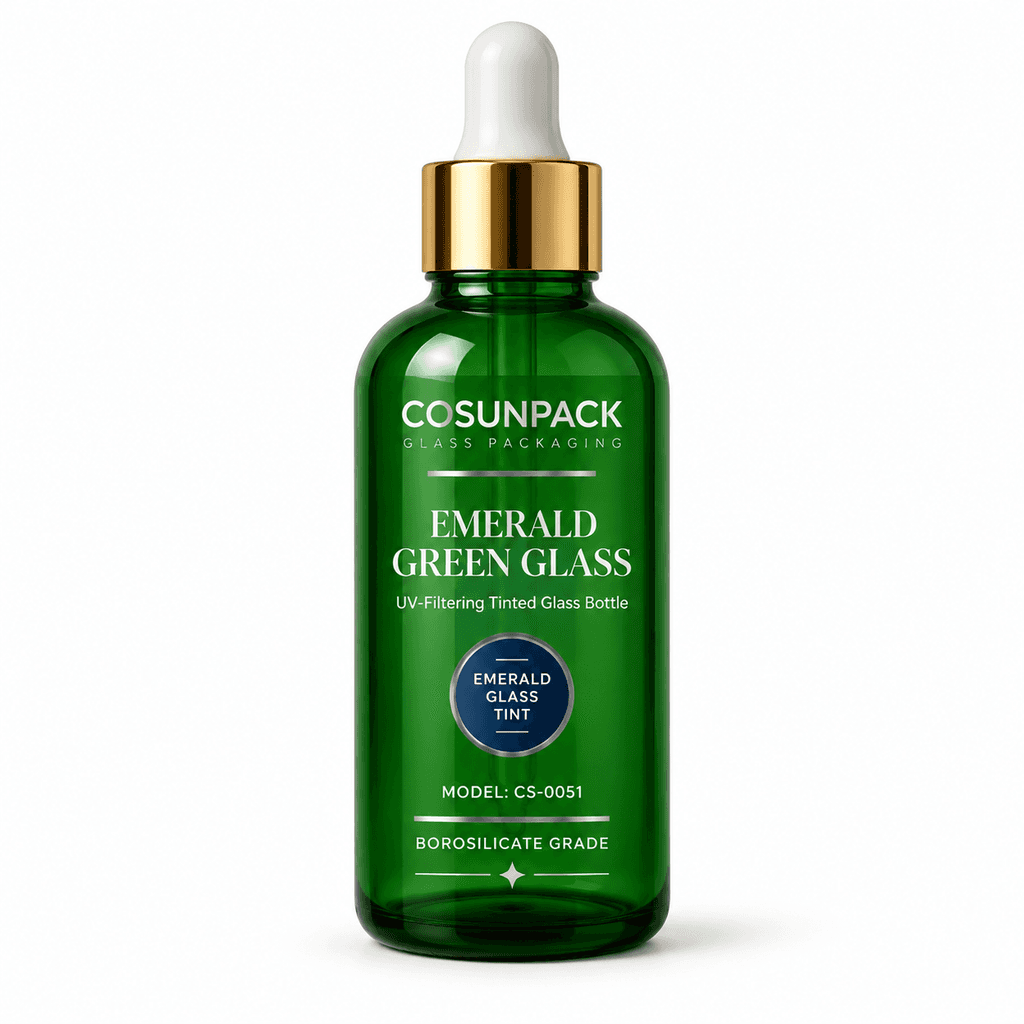
Green Glass Bottle
CS-0051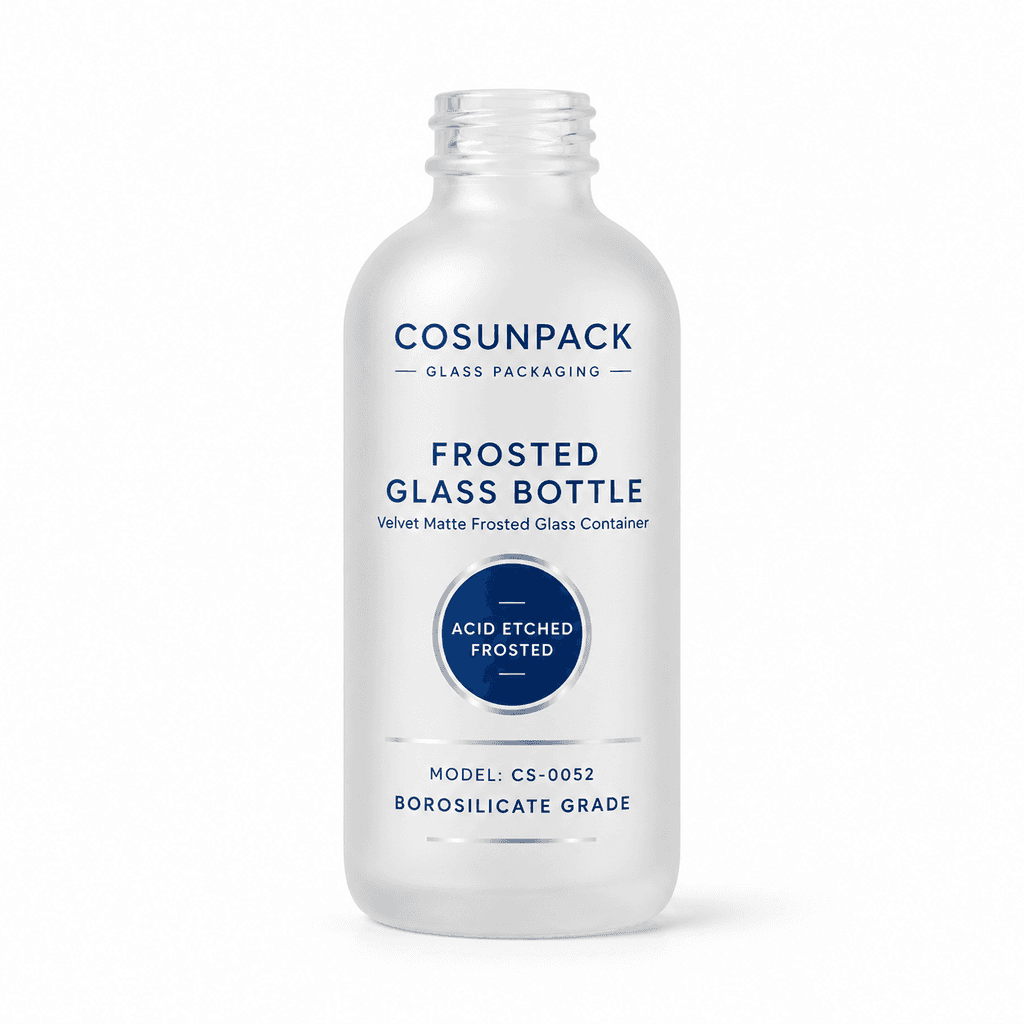
Frosted Glass Bottle
CS-0052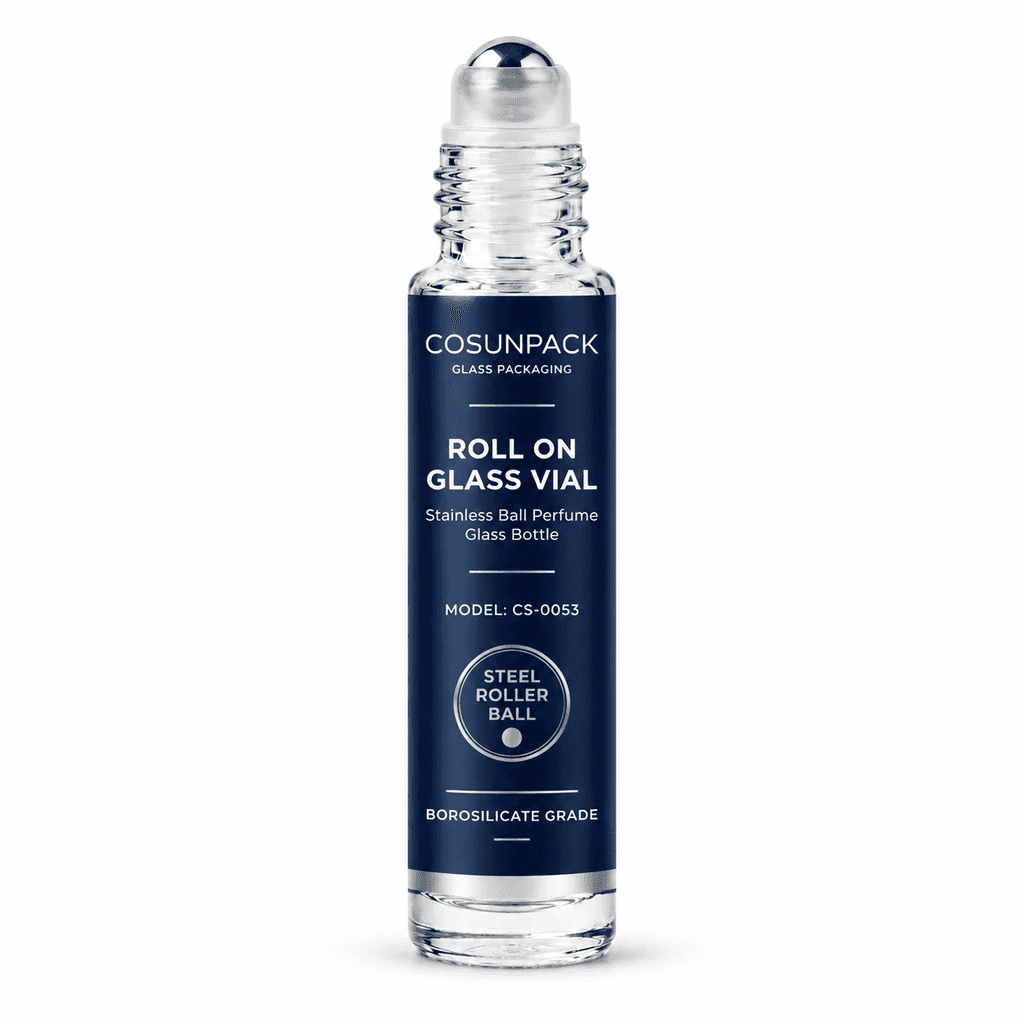
Roll On Bottle
CS-0053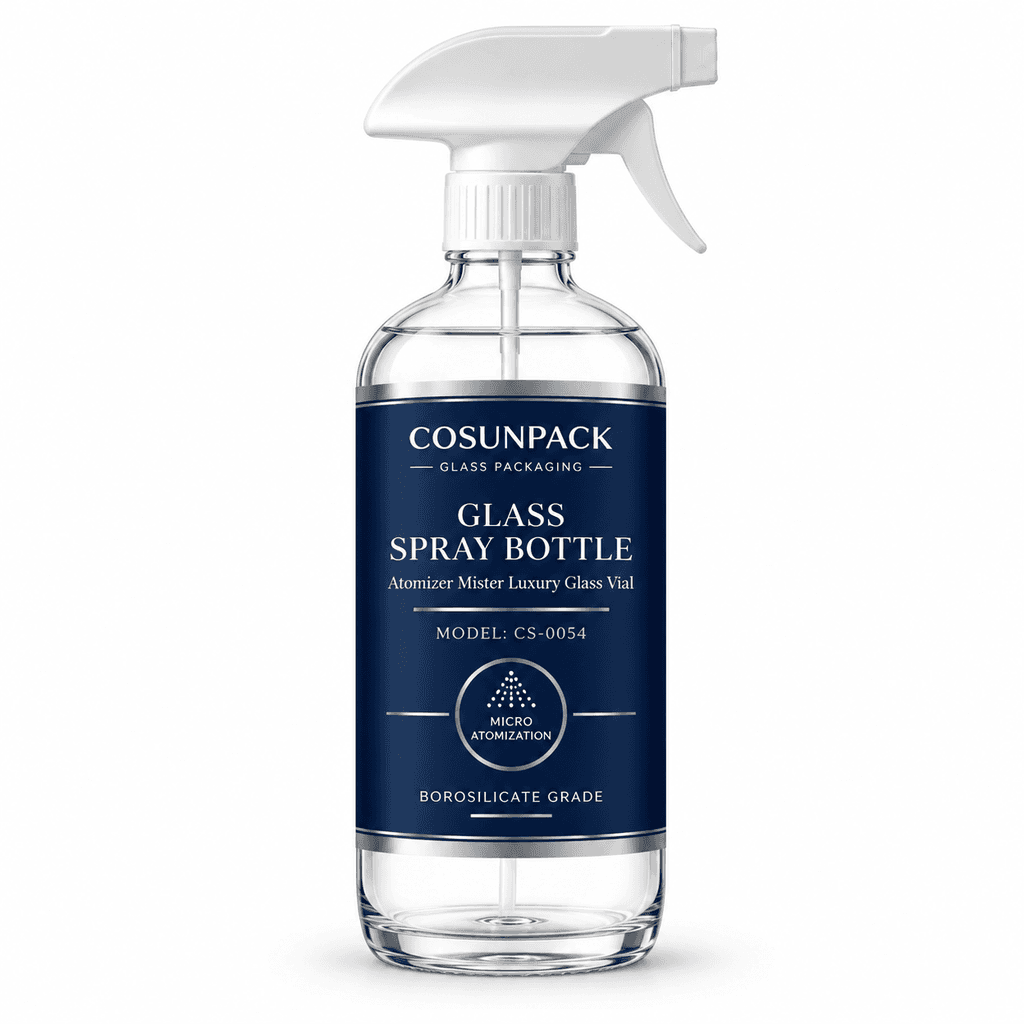
Spray Mister Bottle
CS-0054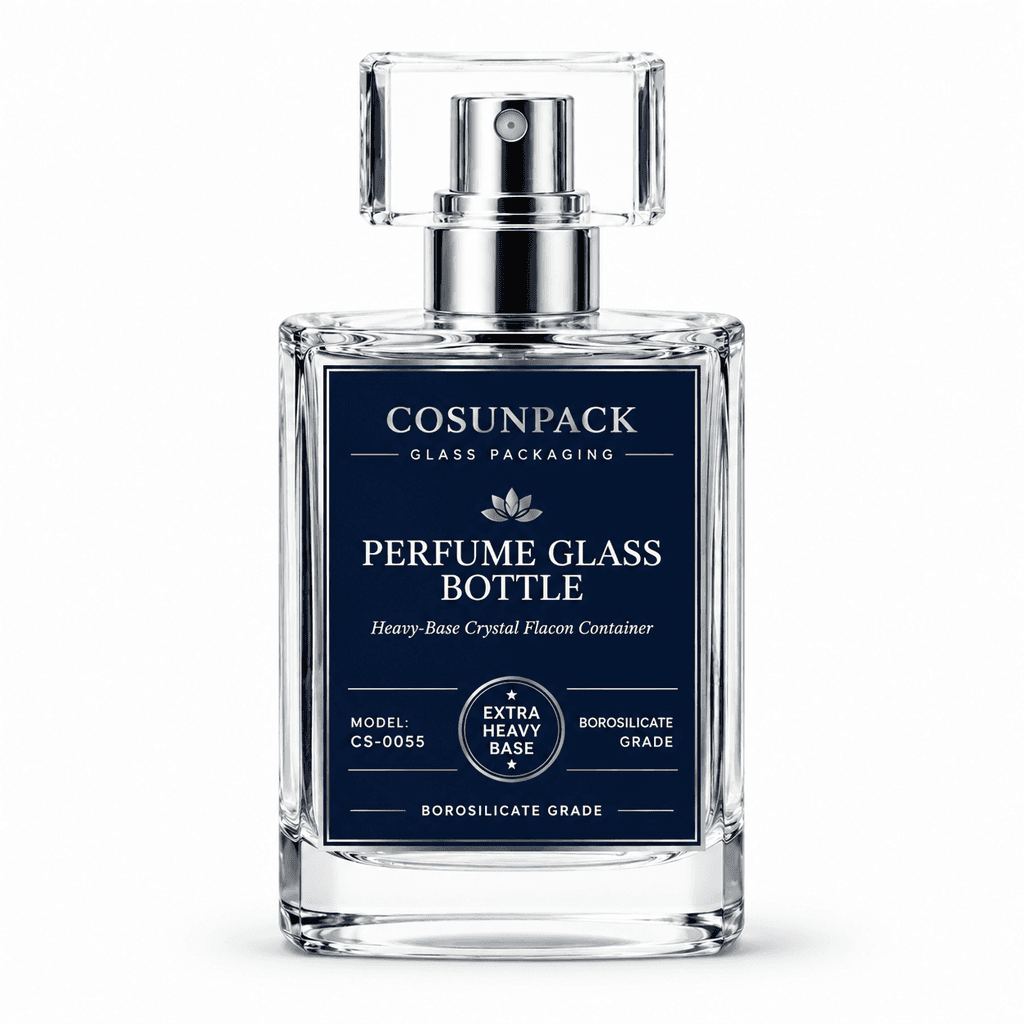
Perfume Bottle
CS-0055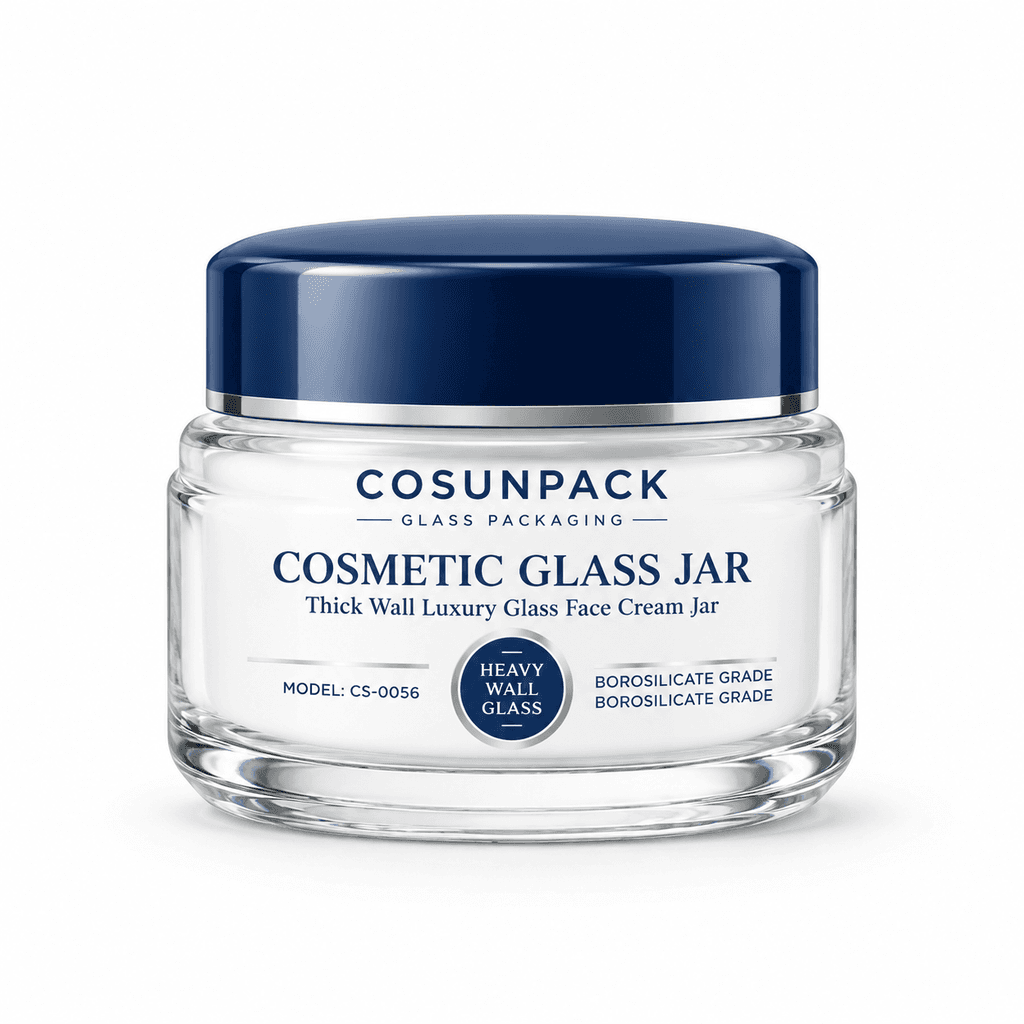
Cosmetic Jar
CS-0056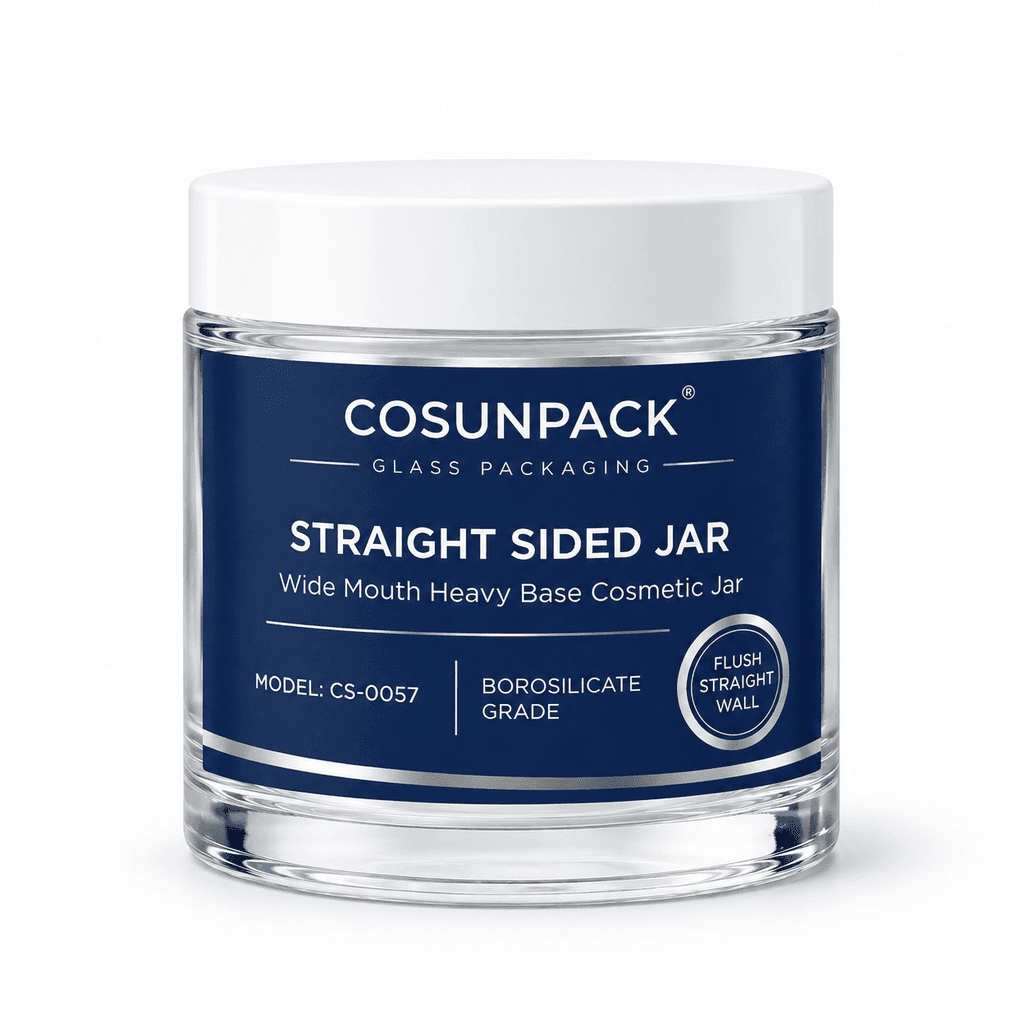
Straight Sided Jar
CS-0057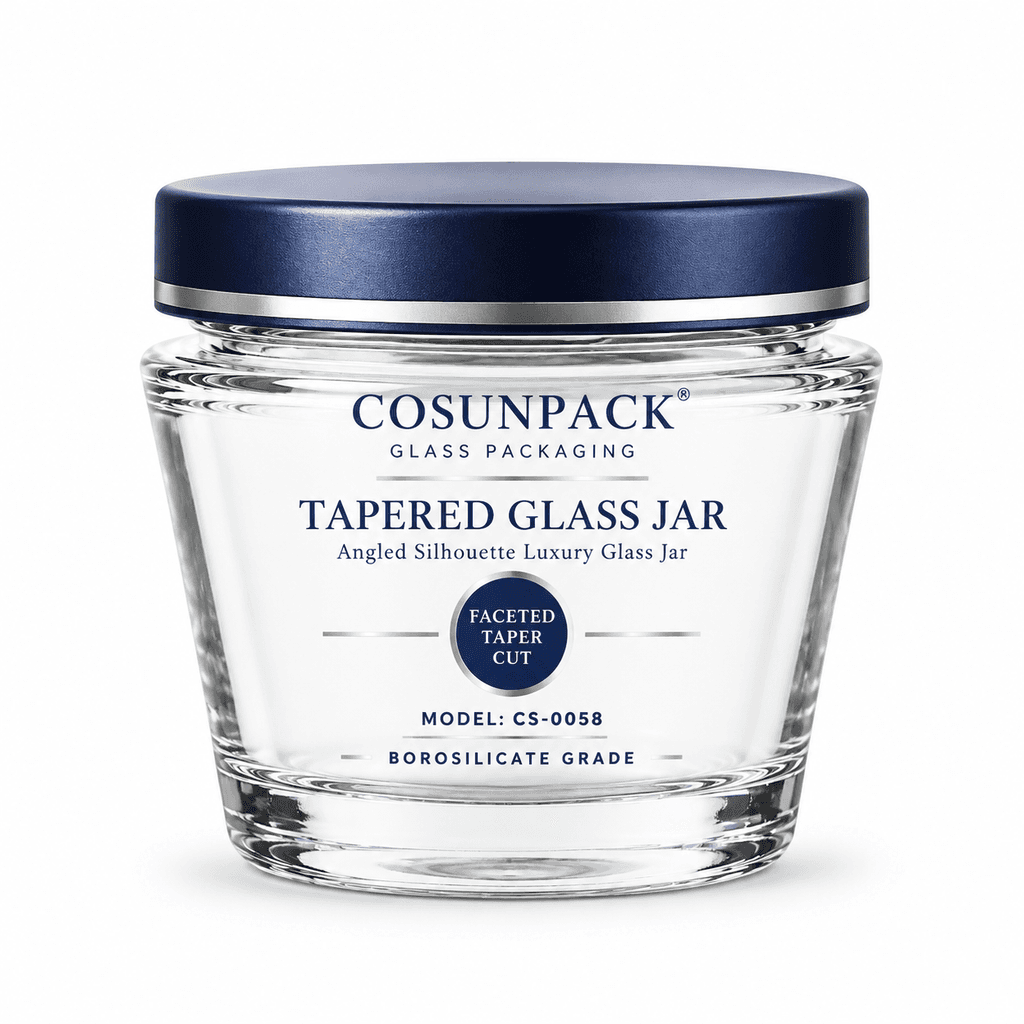
Tapered Jar
CS-0058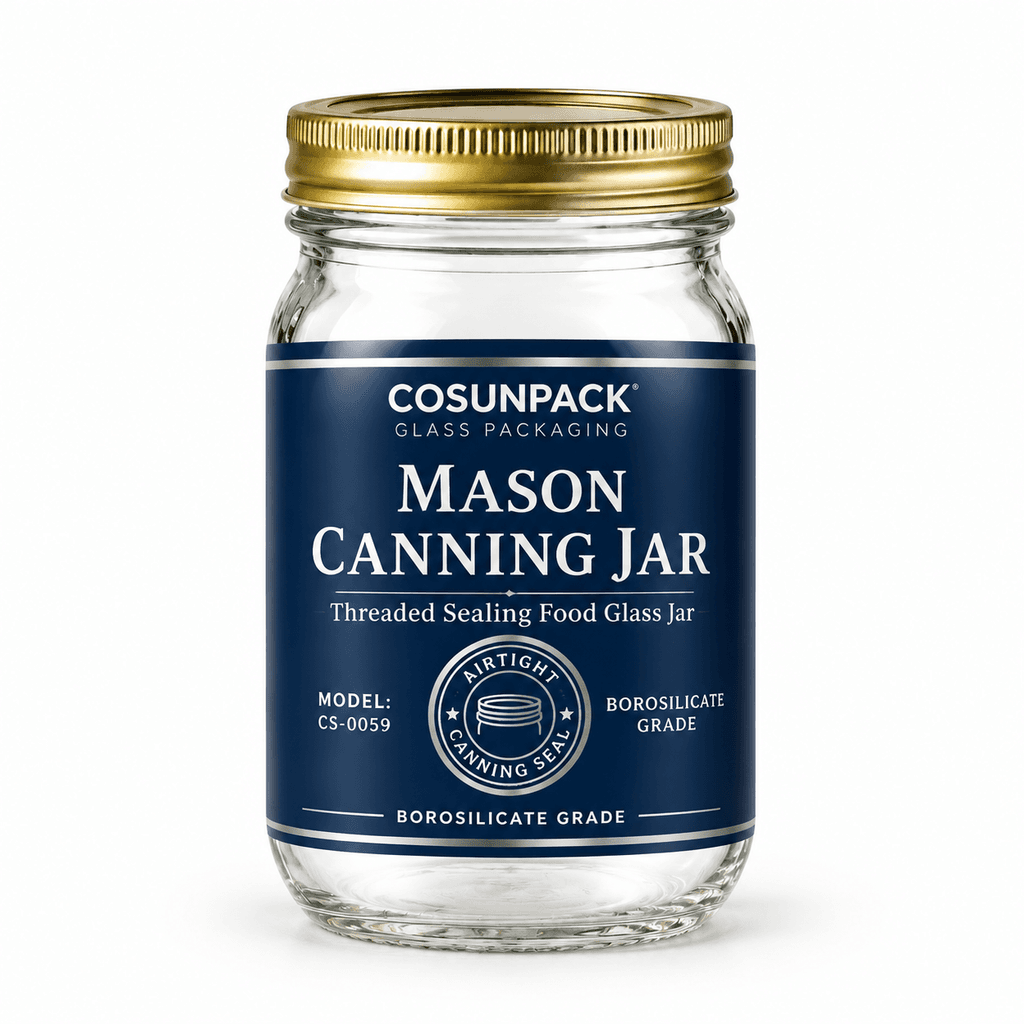
Mason Canning Jar
CS-0059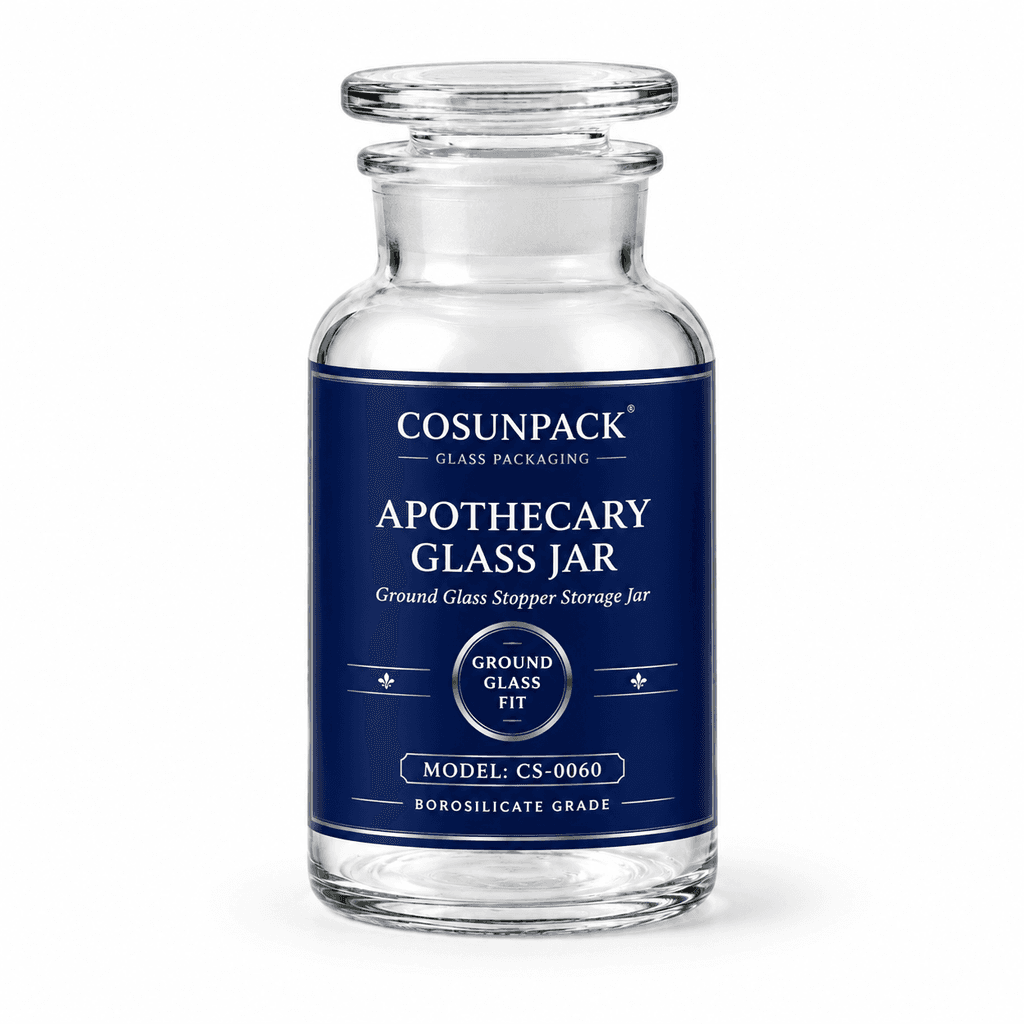
Apothecary Jar
CS-0060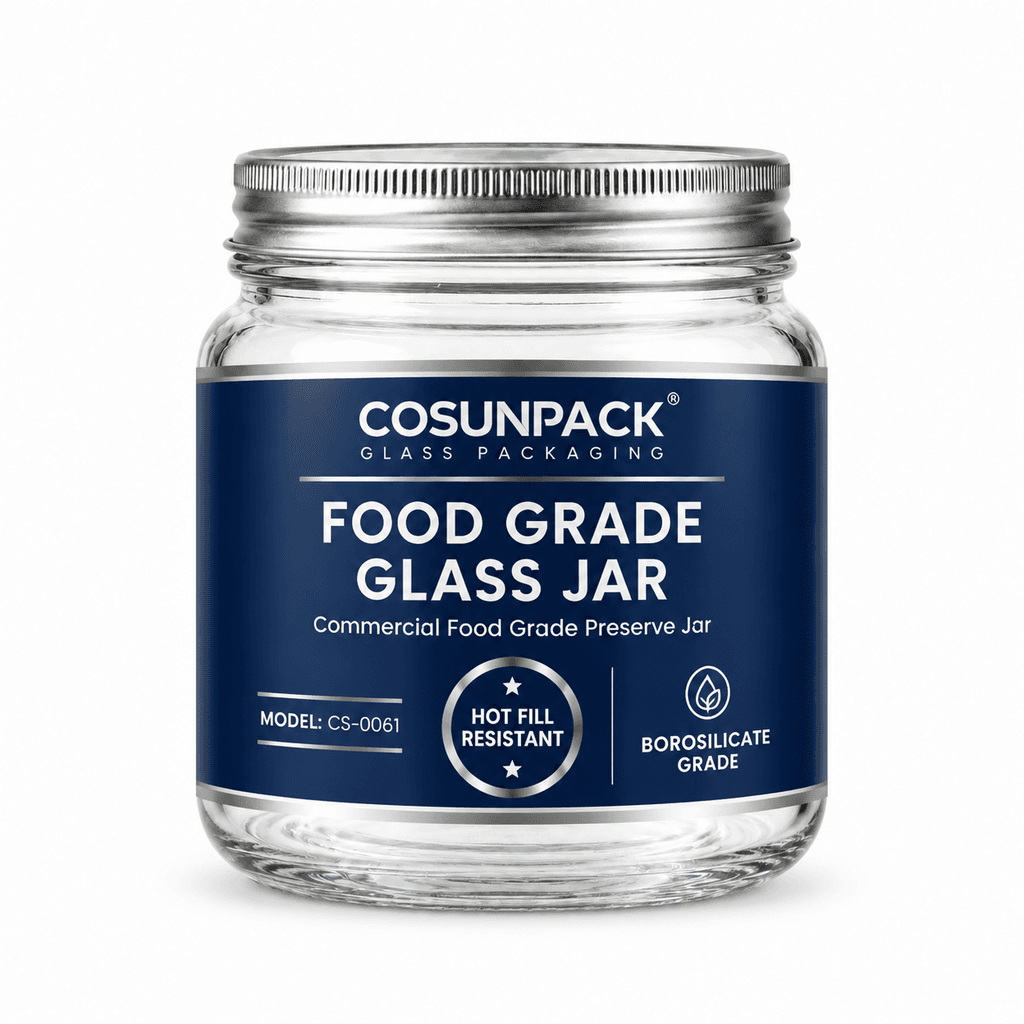
Food Jar (Economy Round)
CS-0061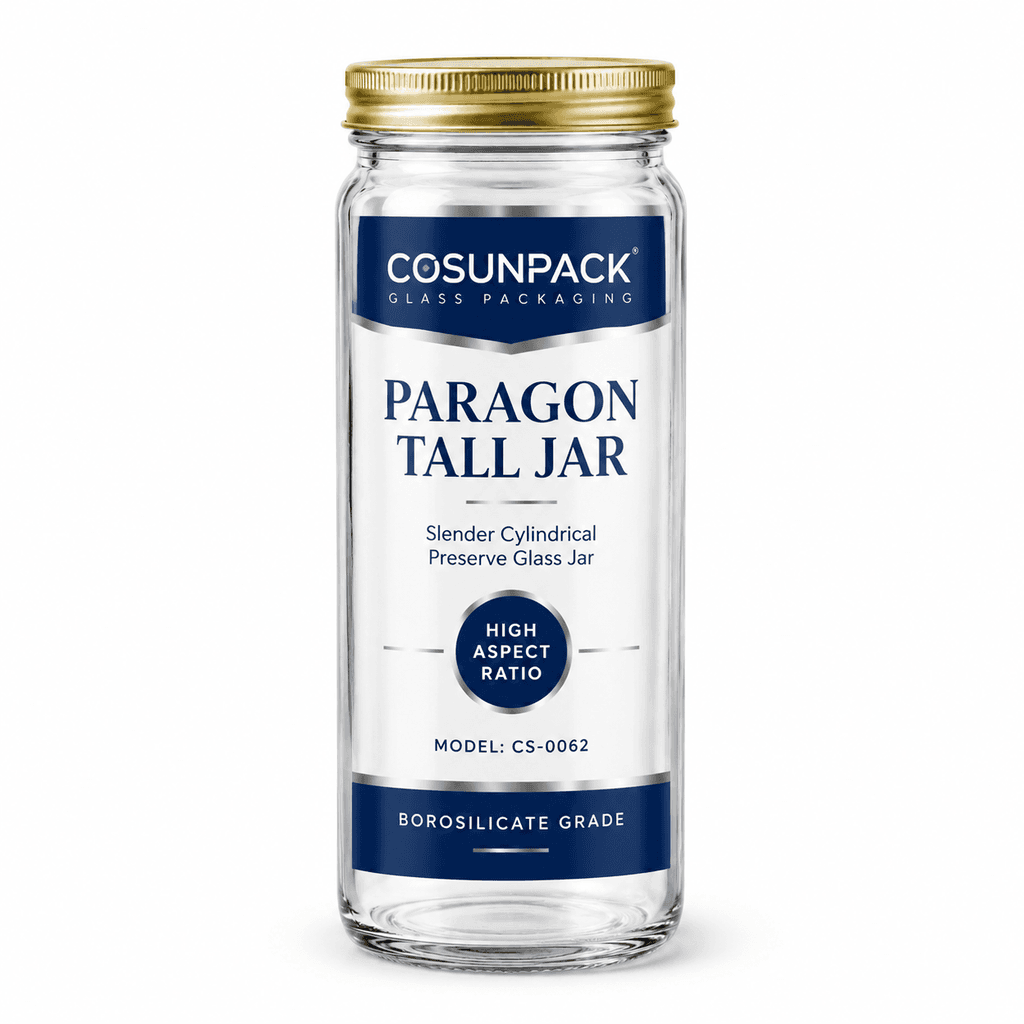
Paragon Jar
CS-0062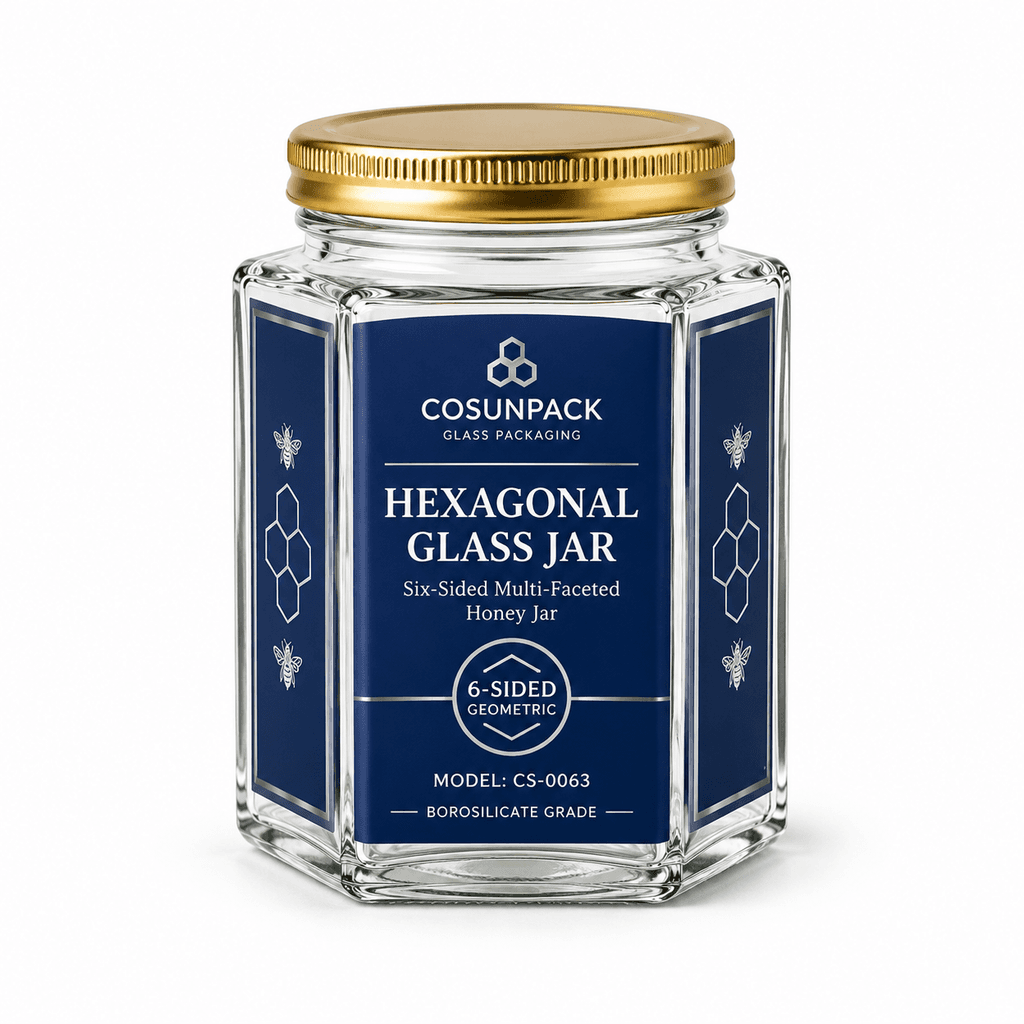
Hex Jar
CS-0063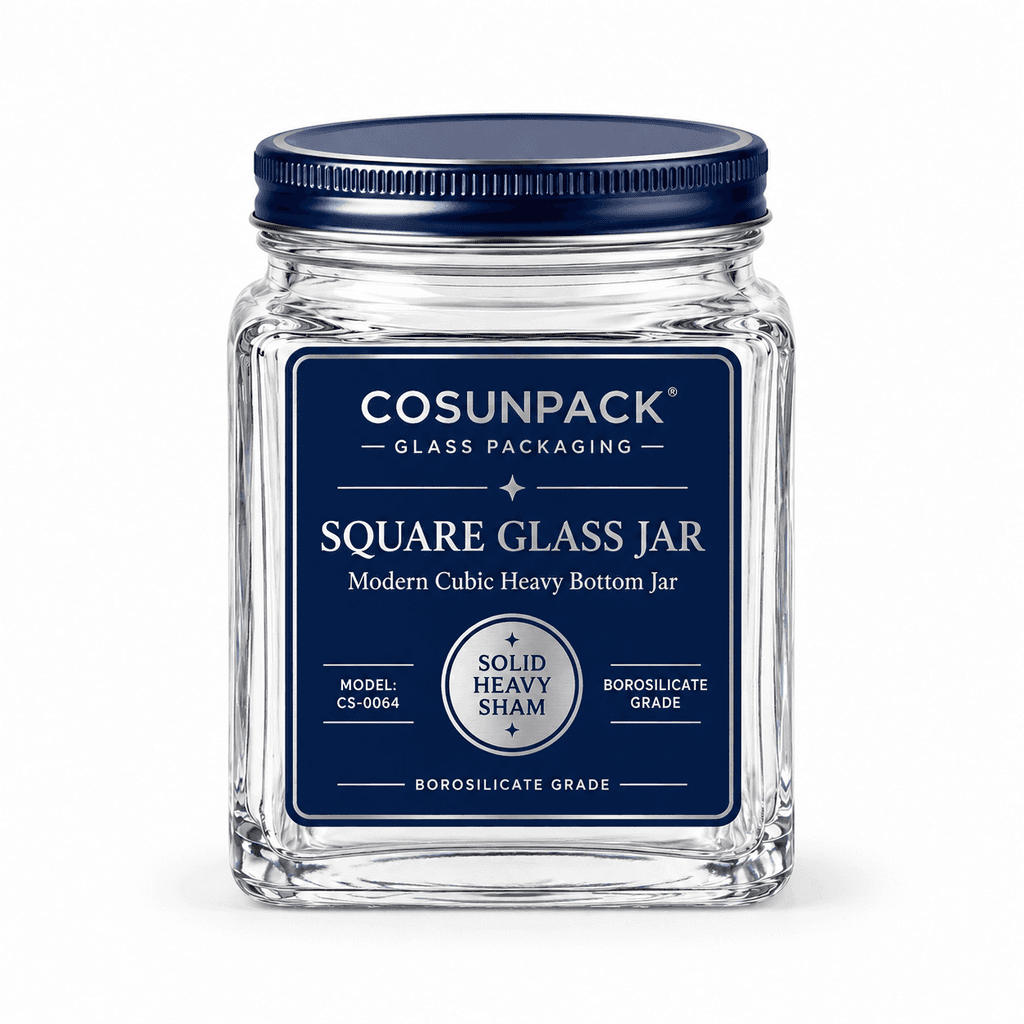
Square Jar
CS-0064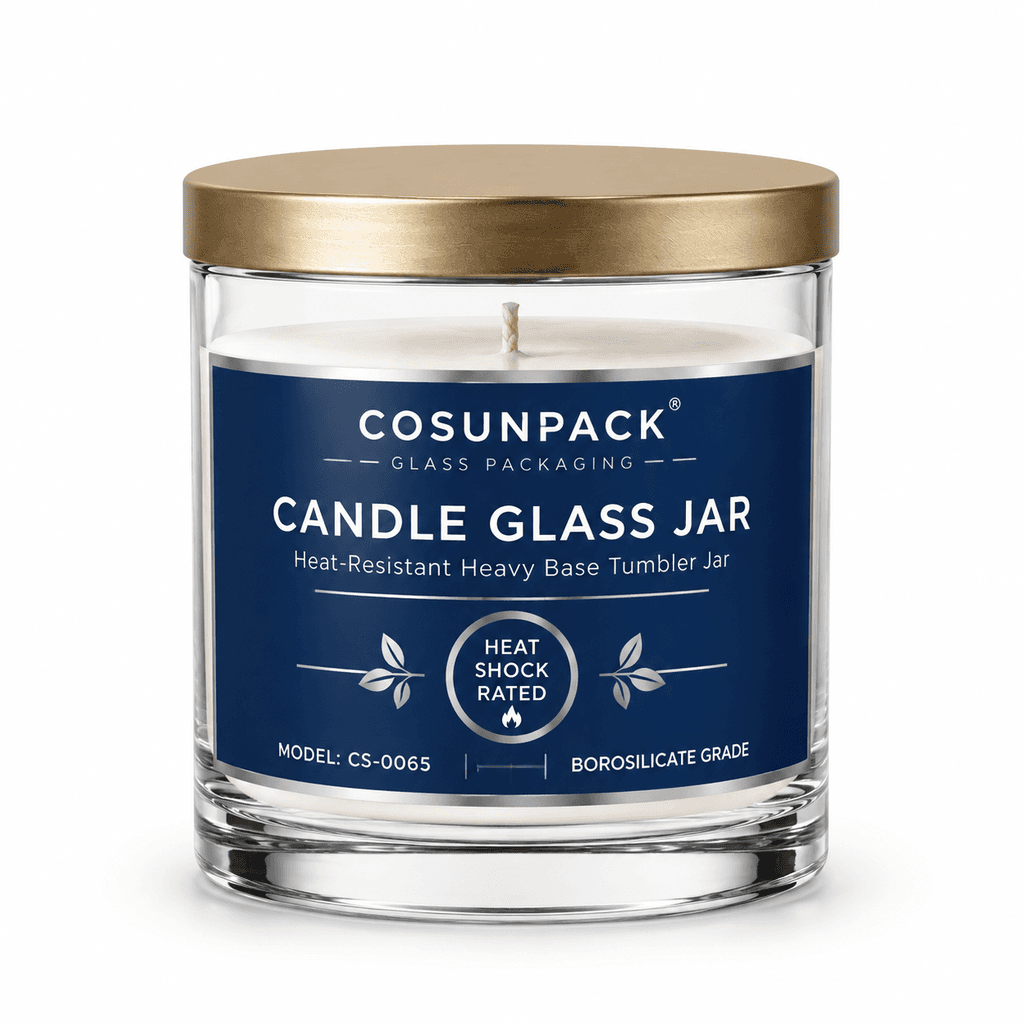
Candle Jar
CS-0065Category FAQ
Glass Containers — FAQ
What B2B buyers most often ask before specifying glass containers — answered from industry references.
Flint, amber, or colored glass?
Technical references: Regulation (EC) No 1935/2004 on materials intended to contact food
How do closures match glass bottles?
Technical references: Oberk: Neck Finish Dimensions (bottles)
How is breakage managed in shipping?
Technical references: ISTA: Getting Started with Design of Transport Packaging
What decoration can glass carry?
Is glass food and cosmetics compliant?
Technical references: FDA: Determining the Regulatory Status of Food Contact Substances · Regulation (EC) No 1935/2004 on materials intended to contact food
Is glass a sustainable choice under new EU rules?
Technical references: EU Packaging & Packaging Waste Regulation (EU) 2025/40
One Partner for Your Complete Packaging
Source packaging from China with one team, from product-led development to delivery. Share your product or idea, component list, quantity, and destination—we will help define the next steps.