
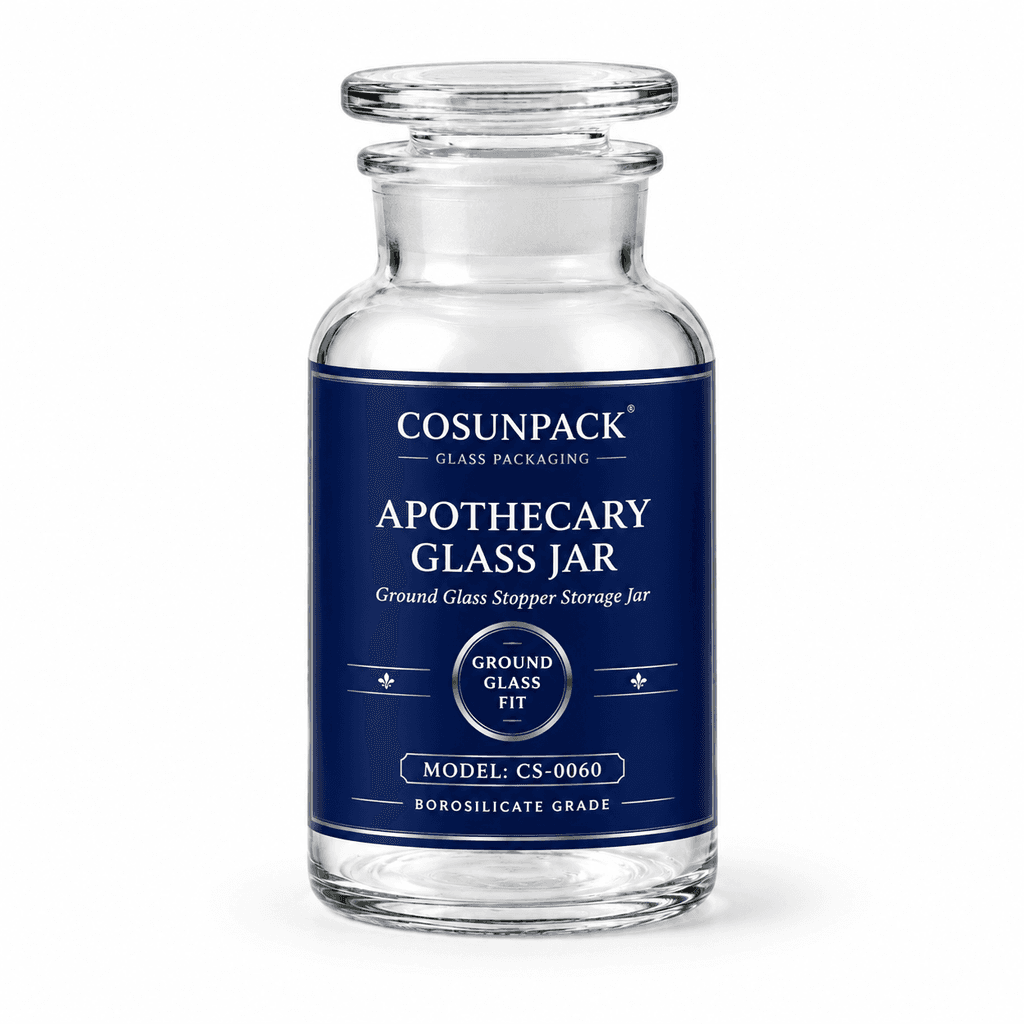
Apothecary Jar
Apothecary Jar: Glass packaging with mold, decoration, and closure options coordinated through our equity-partnered production lines. Compatibility and testing requirements are reviewed for your intended use.
Product Highlights
- Wide mouth suits creams, balms, and food fills
- Substantial weight communicates quality on the shelf
- Request documentation for your chosen glass, decoration, closure, and intended use
- Decoration options: screen print, frosting, coating, etching
Craftsmanship & Production
Production steps and quality checks for this packaging format, coordinated across our printing workshops and specialized production network.
Customization Options
Review the available options for Apothecary Jar with our team. These are the requirements to confirm:
- Capacity & mold (stock / custom)
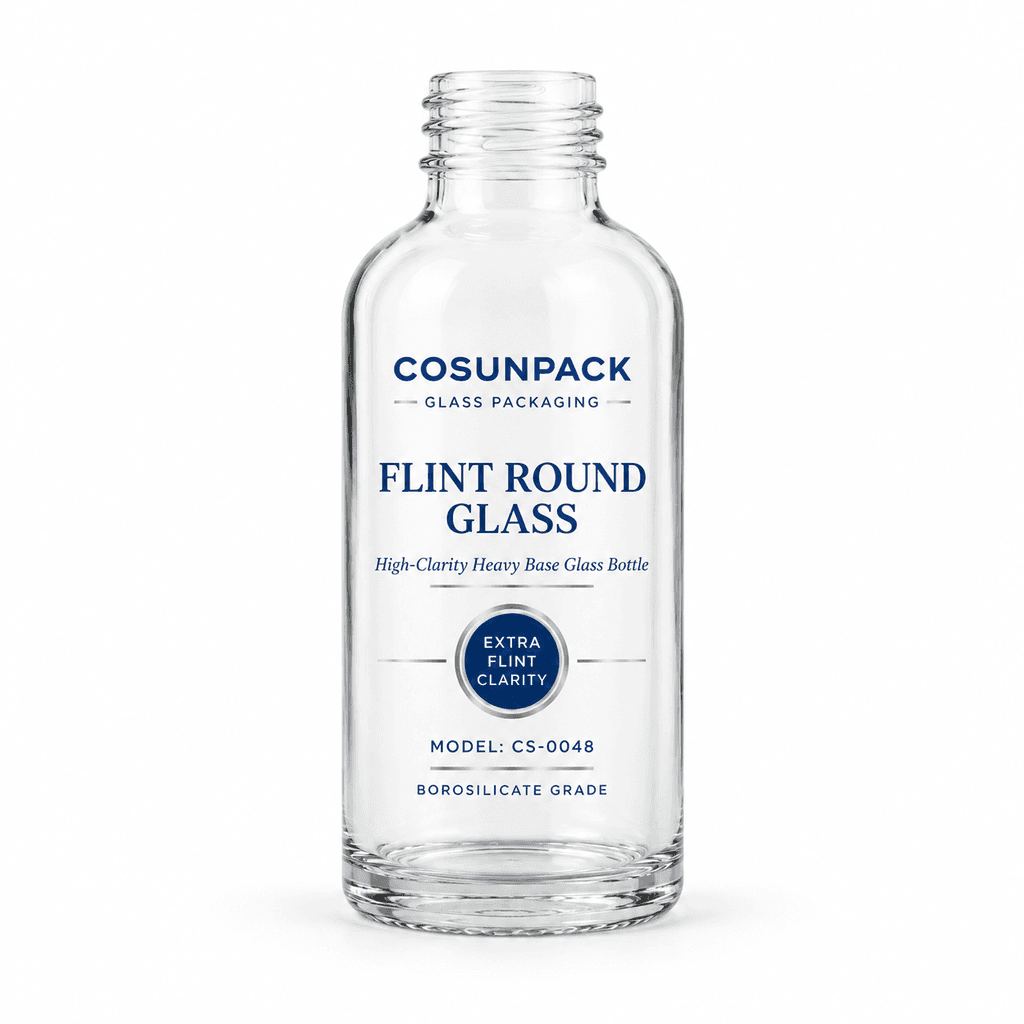
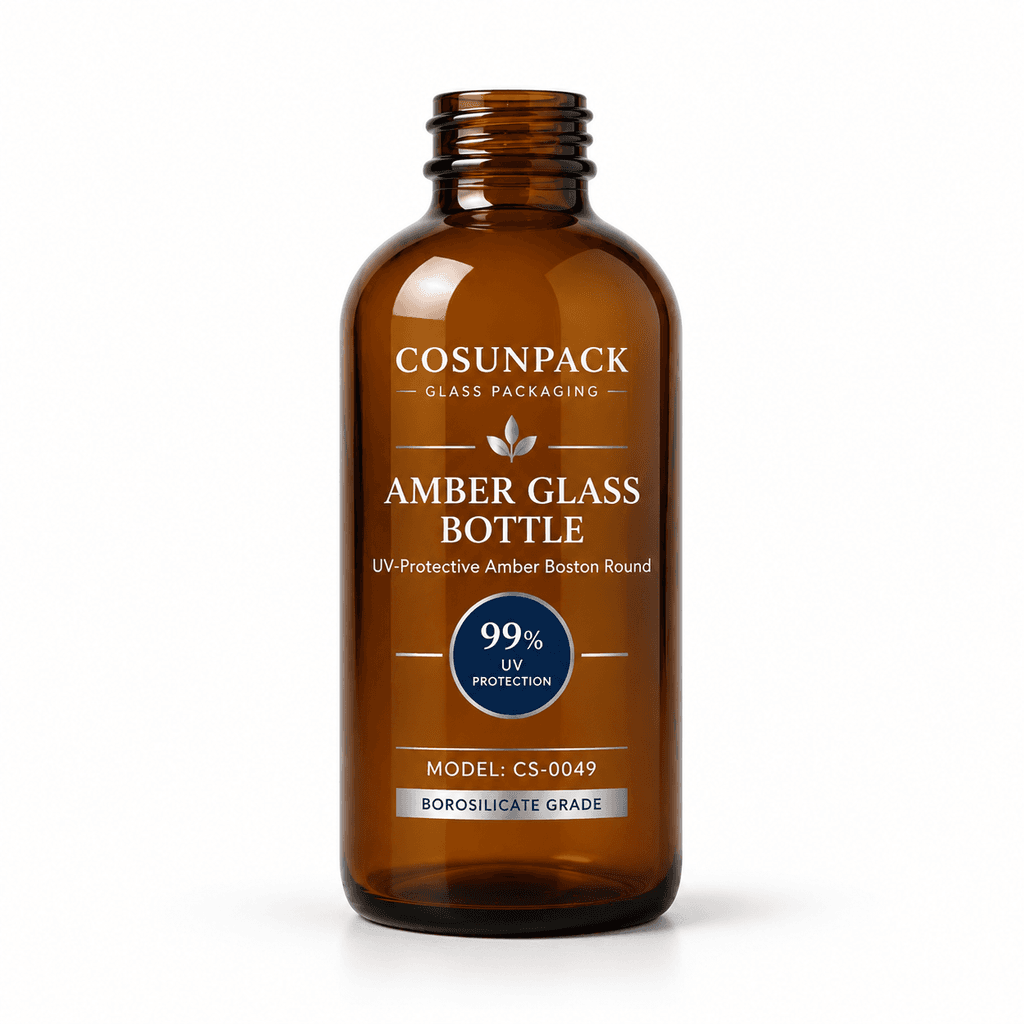
- Glass color (flint / amber / opal)
- Screen print / frost / coating
- Neck finish & closure
- Export-safe packing
Specification Planning — Apothecary Jar
Review these material and process options for the selected structure. Your quotation confirms the exact specification for your project.
| Material | Glass color and grade selected for the product and intended use |
|---|---|
| Structure | Apothecary Jar |
| Size Range | Dimensions or capacity confirmed against your product and selected tooling |
| Thickness | Material thickness or weight confirmed in the approved specification |
| Printing | Screen print, hot stamping, acid etch, spray coating |
| Finishing | Frosting, color coating, metallization |
| MOQ | Quoted per material, structure, print process, and order quantity |
| Sampling Lead Time | Confirmed after the artwork, structure, and tooling review |
| Production Lead Time | Confirmed after sample approval and production planning |
| Typical Applications | Cosmetics, skincare, candles, food & beverage |
Options shown for planning; final parameters are agreed in writing with your quotation and approved sample.
Before You Order
Apothecary Jar FAQ
Practical answers on choosing the structure, avoiding common problems, and confirming the right specification for your product.
Can the apothecary jar use a stopper instead of a screw cap?
Confirm the exact opening geometry and intended closure before selecting either option. For a stopper, request fit and retention details; for a threaded lid, obtain the finish drawing. Test the proposed assembly with the contents rather than assuming the traditional appearance defines its seal.
Is this jar suitable for loose powders or bath salts?
Assess mouth access, pouring control, and closure sealing using the actual product. Include powder trapped at the rim and repeated opening in the evaluation. If the fill needs moisture protection, have your team set a pack-level acceptance requirement instead of judging the glass body alone.
What should be checked for a tall decorative jar?
Review the filled assembly's base, lid weight, and stability with physical samples, including placement in a retail display. Test the final protective insert around the jar and closure. Keep lid retention and glass-contact damage in the review when the package is moved or unpacked.
Technical references
Can an apothecary jar be marketed as a reusable storage jar?
Define the intended reuse and cleaning procedure first, then have the supplier and your technical team review the complete pack for that use. Include the stopper or liner and decoration in repeated-use trials. The traditional storage appearance is not evidence of unlimited reuse suitability.
Have a different application? Share your requirements for this model.
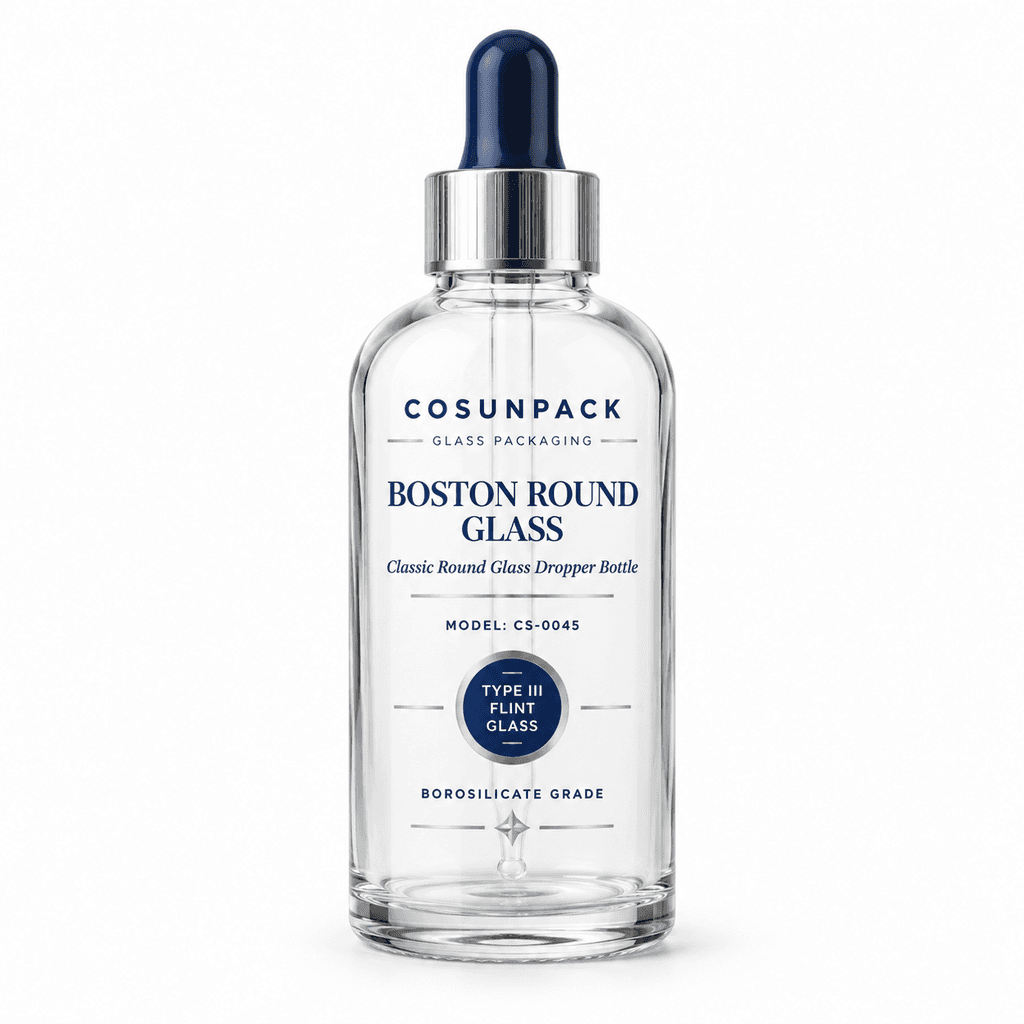
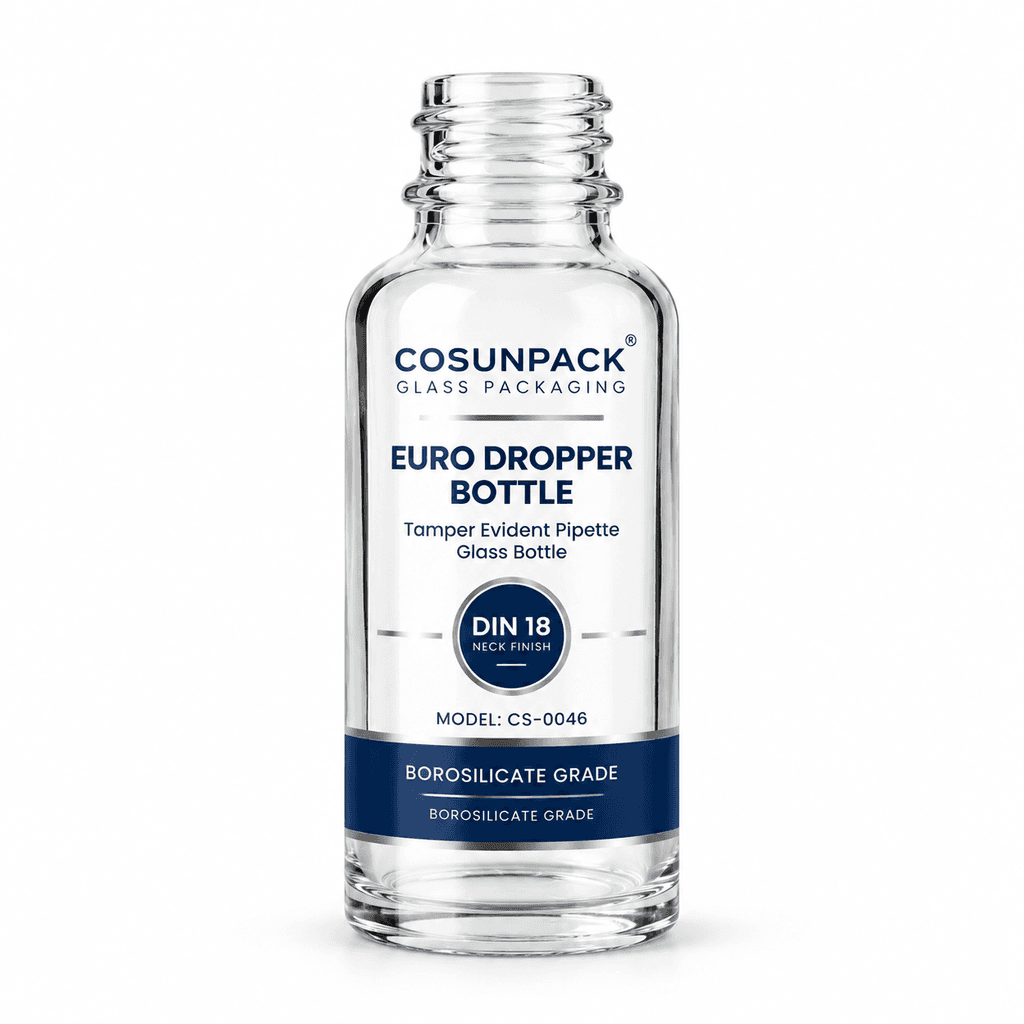
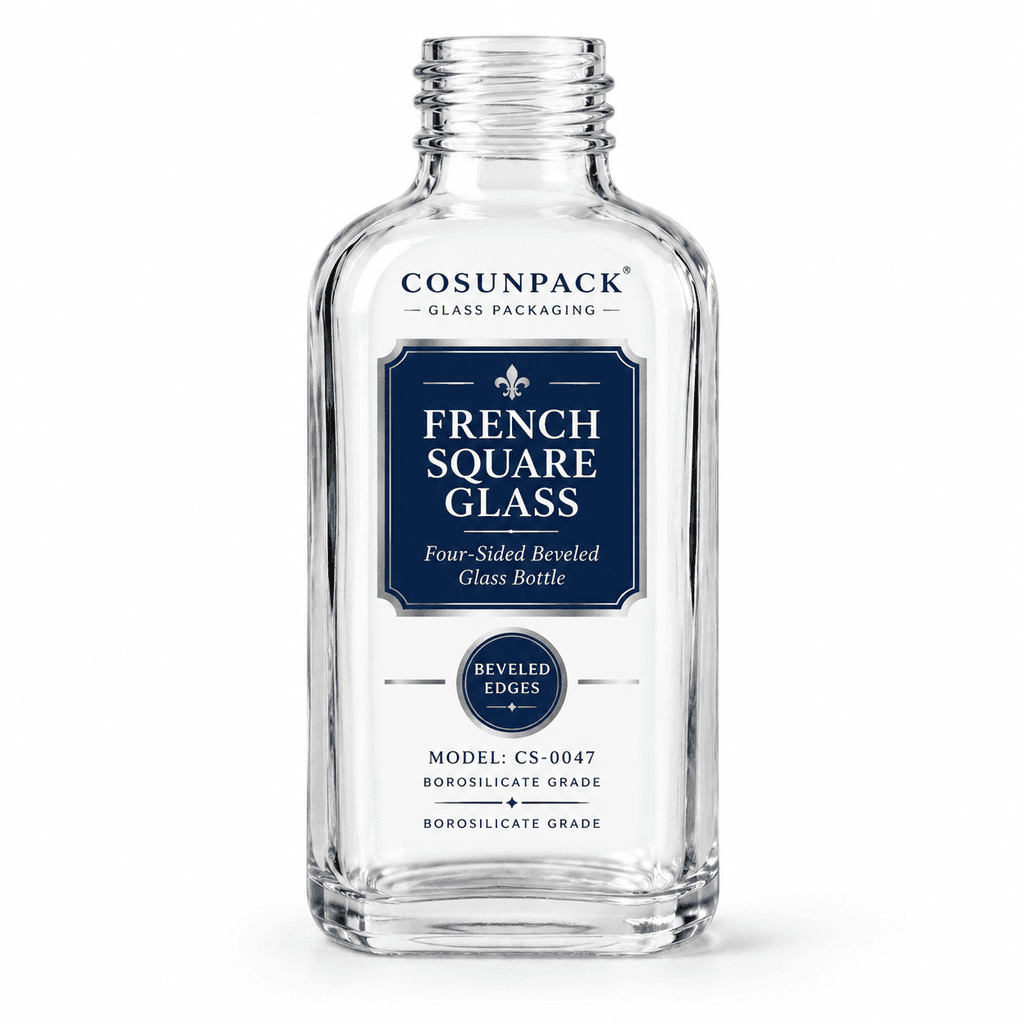
One Partner for Your Complete Packaging
Source packaging from China with one team, from product-led development to delivery. Share your product or idea, component list, quantity, and destination—we will help define the next steps.