
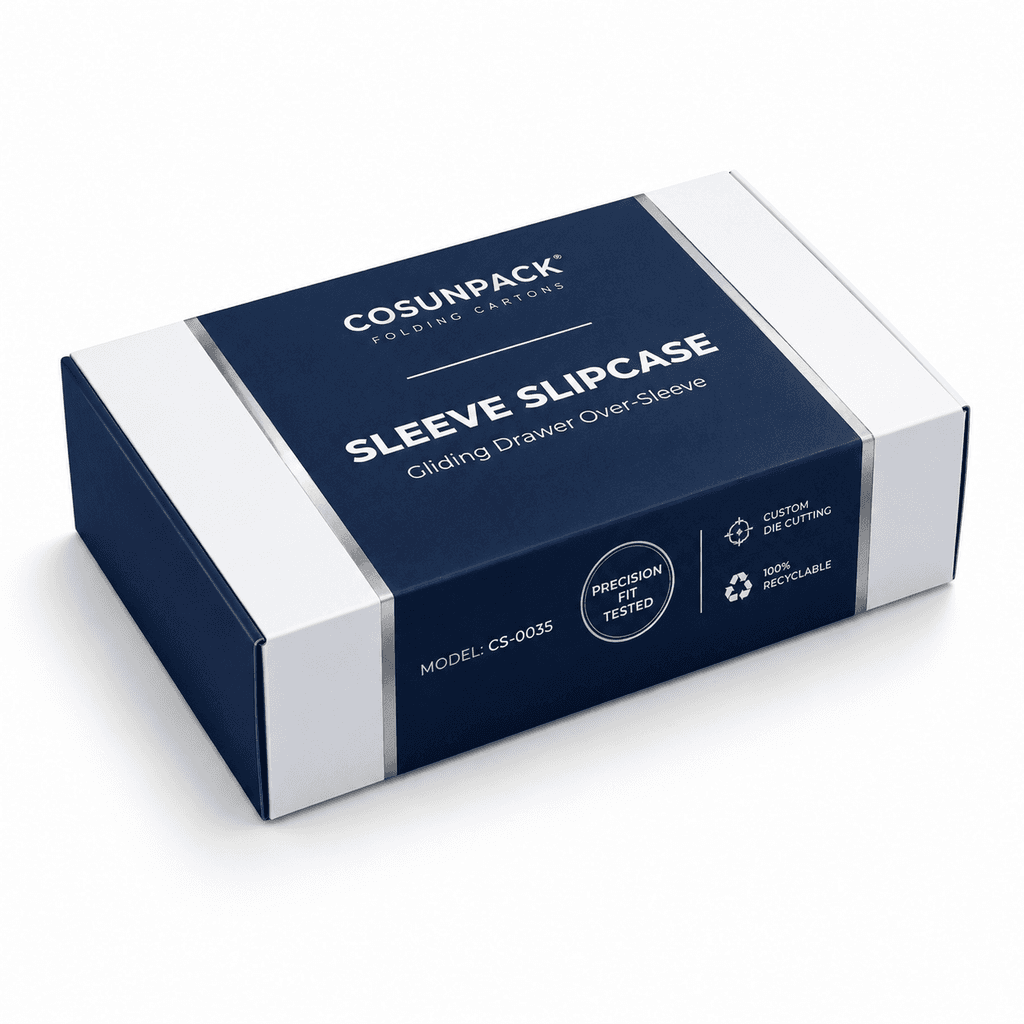
Sleeve Slipcase
Sleeve Slipcase: Printed paperboard packaging for retail display and product presentation. Confirm the closure, board, artwork, and finishing against your filling process.
Product Highlights
- Slip over an inner tray for a two-stage unboxing
- Structures engineered for auto-packing lines
- Premium paperboard with crisp, high-definition offset print
- Precise creases and tucks for smooth hand or machine filling
Craftsmanship & Production
Production steps and quality checks for this packaging format, coordinated across our printing workshops and specialized production network.
Customization Options
Review the available options for Sleeve Slipcase with our team. These are the requirements to confirm:
- Board 200–450 gsm
- Tuck / lock / seal structures
- CMYK + Pantone print
- Lamination, foil, spot UV, soft-touch
- Window patches
Specification Planning — Sleeve Slipcase
Review these material and process options for the selected structure. Your quotation confirms the exact specification for your project.
| Material | 200–450 gsm white/kraft paperboard, GC1/GC2 |
|---|---|
| Structure | Sleeve Slipcase |
| Size Range | Dimensions or capacity confirmed against your product and selected tooling |
| Thickness | Material thickness or weight confirmed in the approved specification |
| Printing | Offset, CMYK + up to 2 Pantone spot colors |
| Finishing | Matte/gloss lamination, spot UV, foil, embossing, soft-touch |
| MOQ | Quoted per material, structure, print process, and order quantity |
| Sampling Lead Time | Confirmed after the artwork, structure, and tooling review |
| Production Lead Time | Confirmed after sample approval and production planning |
| Typical Applications | Retail, cosmetics, food, supplements, electronics |
Options shown for planning; final parameters are agreed in writing with your quotation and approved sample.
Before You Order
Sleeve Slipcase FAQ
Practical answers on choosing the structure, avoiding common problems, and confirming the right specification for your product.
What measurements are needed for a sleeve slipcase?
Measure the finished object or inner pack over every wrap, label and projecting edge. Specify the sliding direction and which ends stay open. Sample the sleeve around production-size contents, checking that it can be inserted without scuffing and removed with a usable grip.
Technical references
How do we stop a sleeve sliding off too easily?
Compare the proposed fit using the actual surface finishes, then check handling in the expected orientation. If retention is necessary, trial a stop, band or other closure detail. Do not depend on friction alone without testing the finished sleeve and contents together.
Technical references
Can a sleeve hide an existing retail barcode?
It may cover required information unless the artwork and sleeve position are planned around it. Decide whether the code must remain visible or be reproduced on the sleeve, then verify the finished combination. Check the applicable retail requirements with your receiving customer.
Technical references
Will a sleeve protect the open ends of the product?
An open-ended sleeve mainly surrounds the sides, so identify any exposed edges that still need protection. Assess the product-and-sleeve arrangement in its final shipping pack. End pads, an inner carton or an outer shipper may be worth sampling for vulnerable contents.
Technical references
Have a different application? Share your requirements for this model.
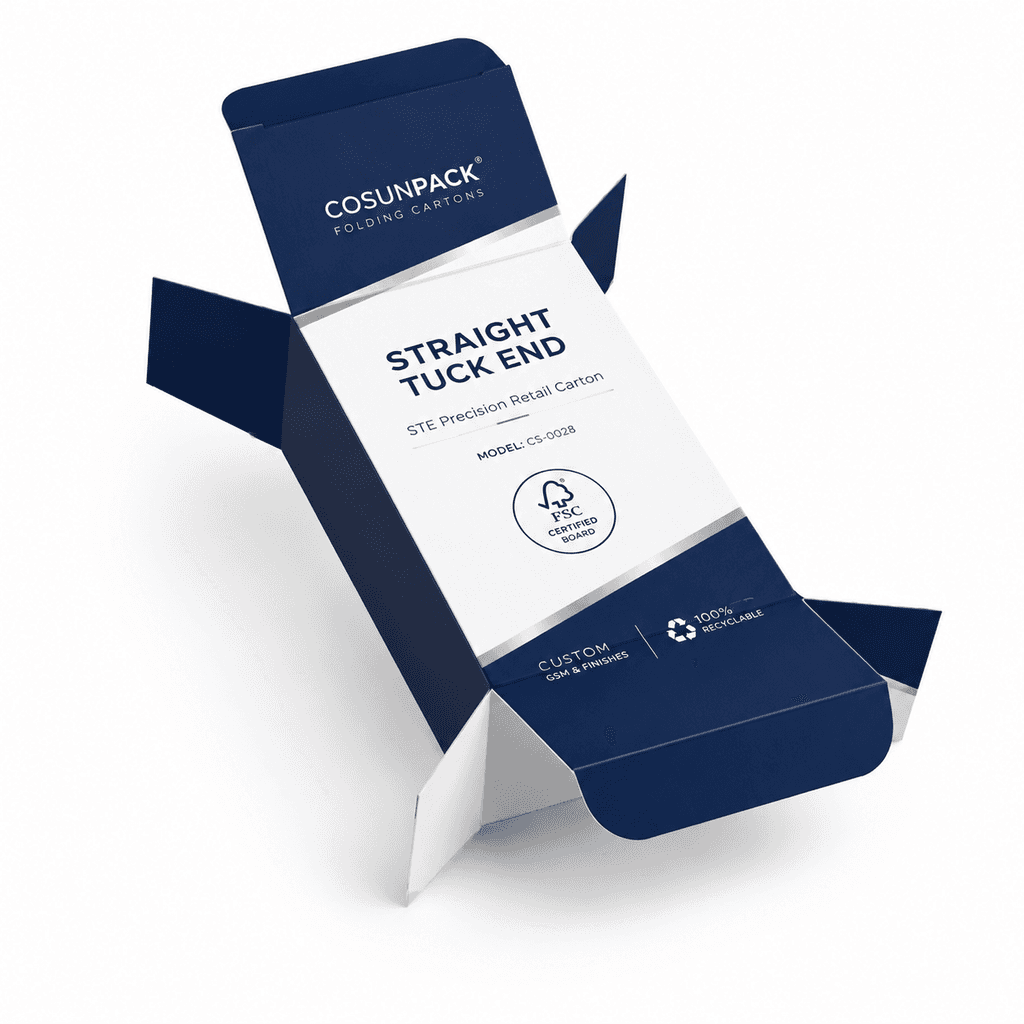
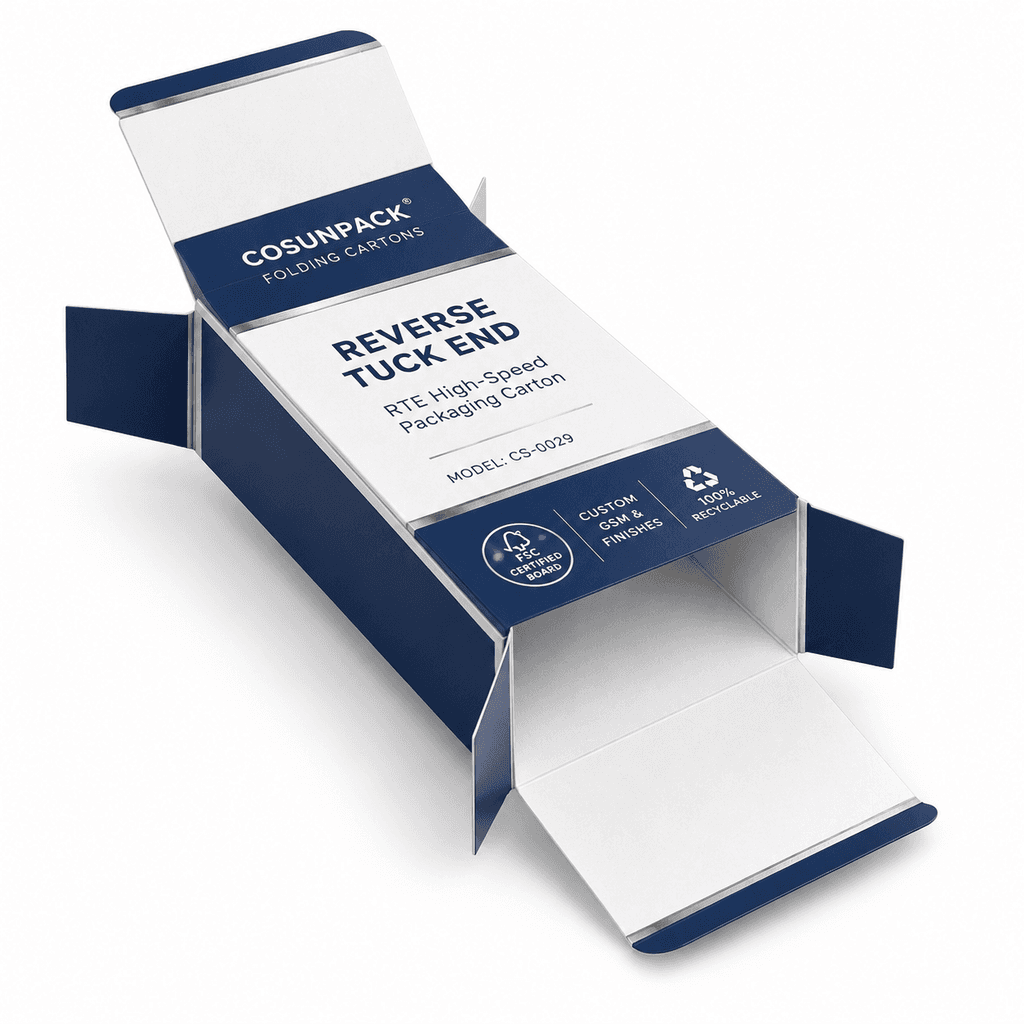
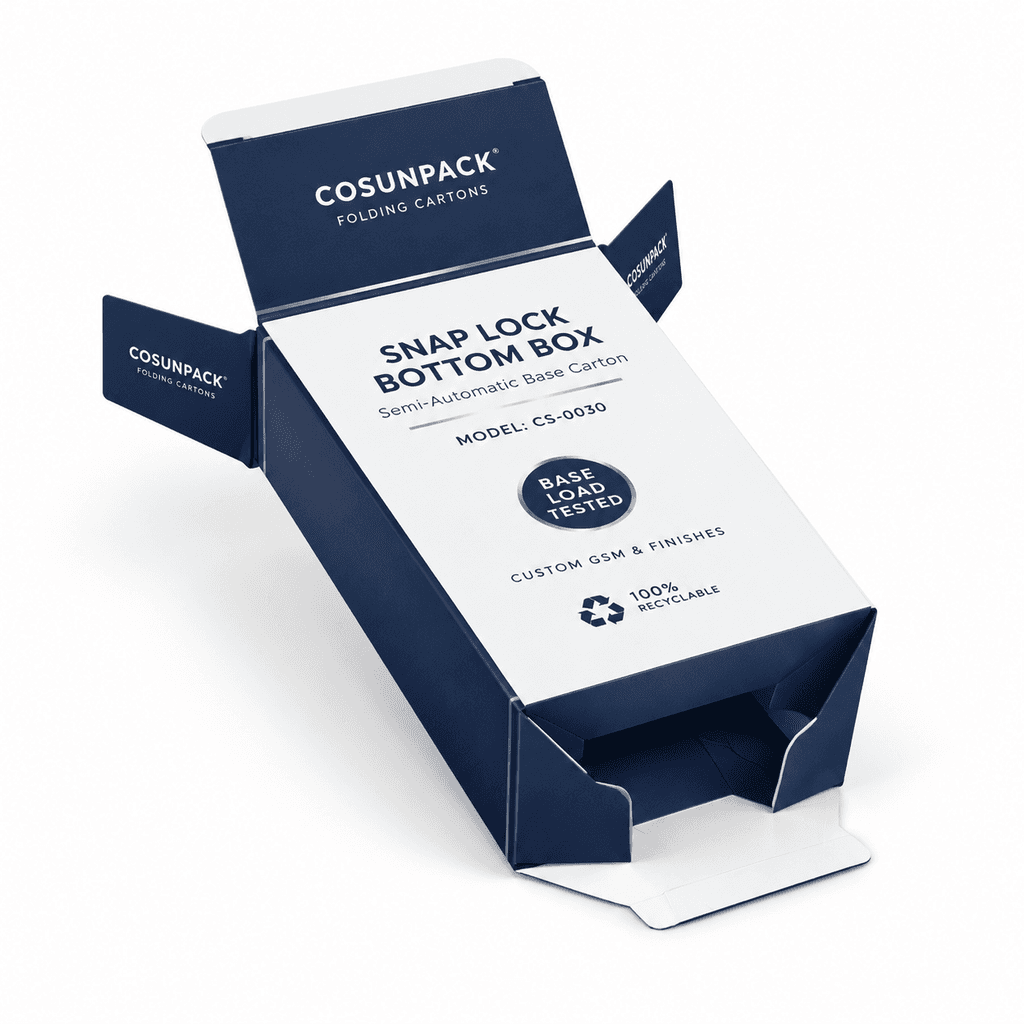
One Partner for Your Complete Packaging
Source packaging from China with one team, from product-led development to delivery. Share your product or idea, component list, quantity, and destination—we will help define the next steps.