
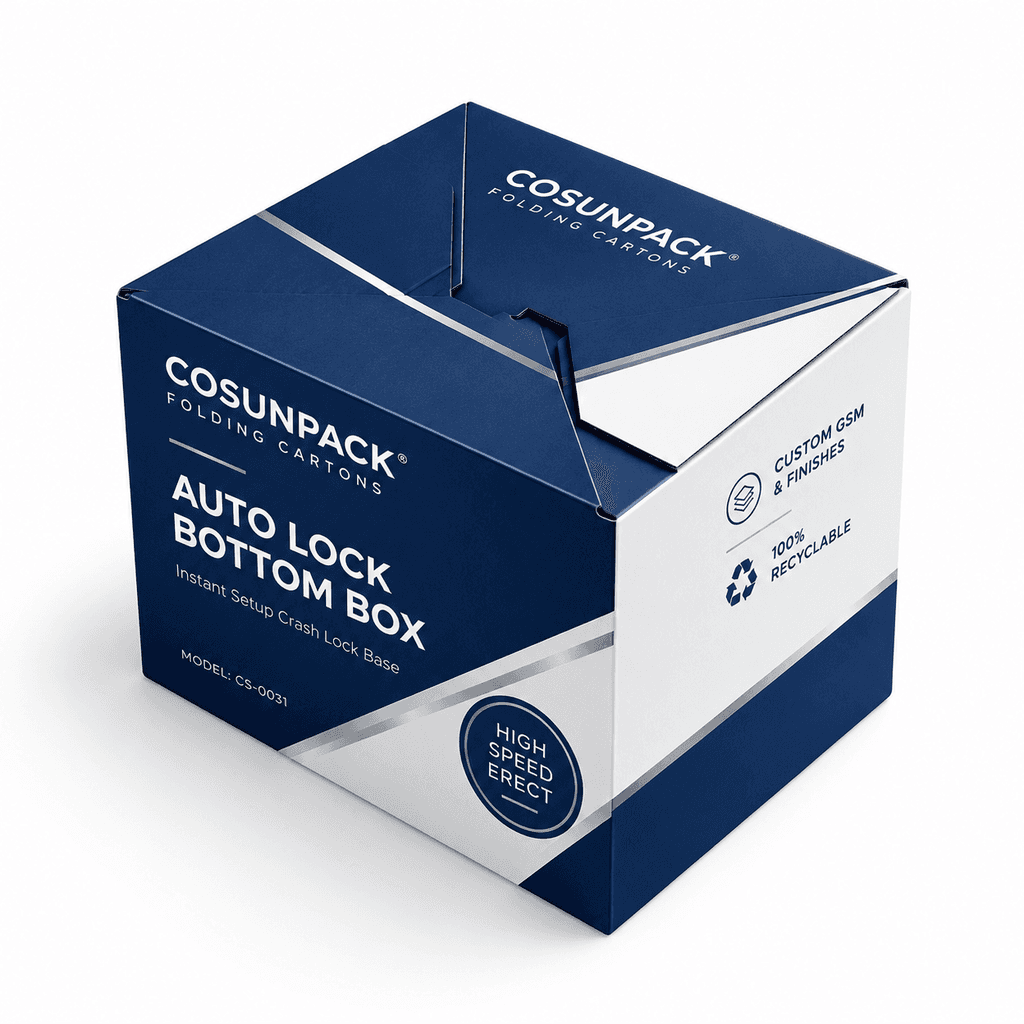
Auto Lock Bottom (Crash Bottom)
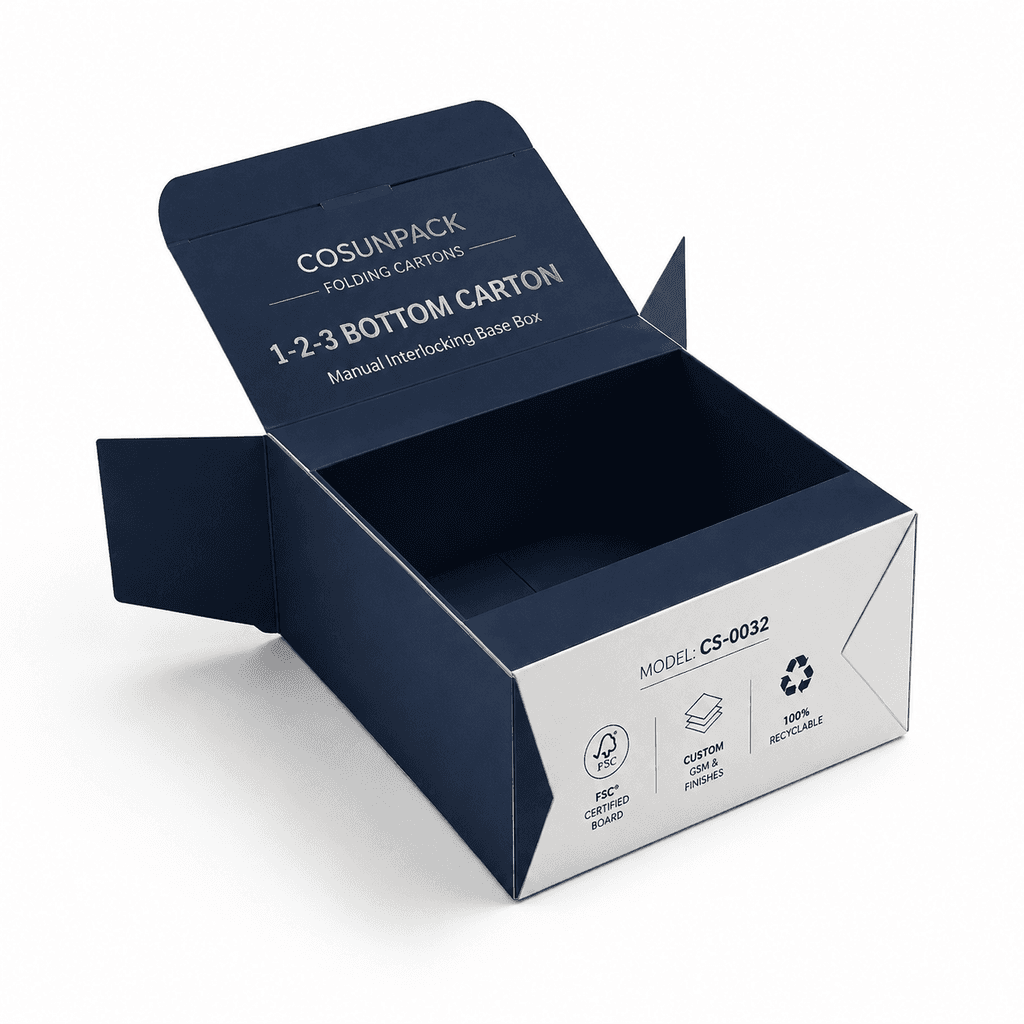
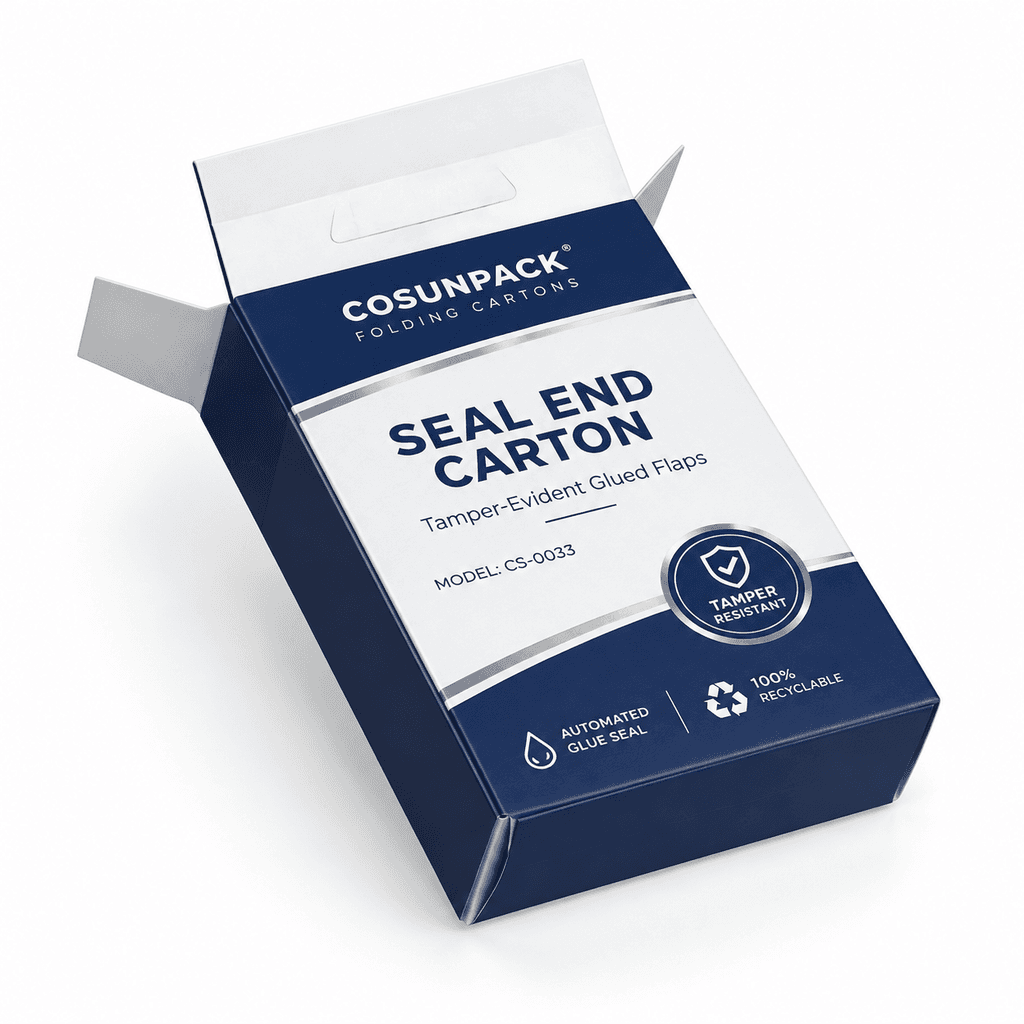
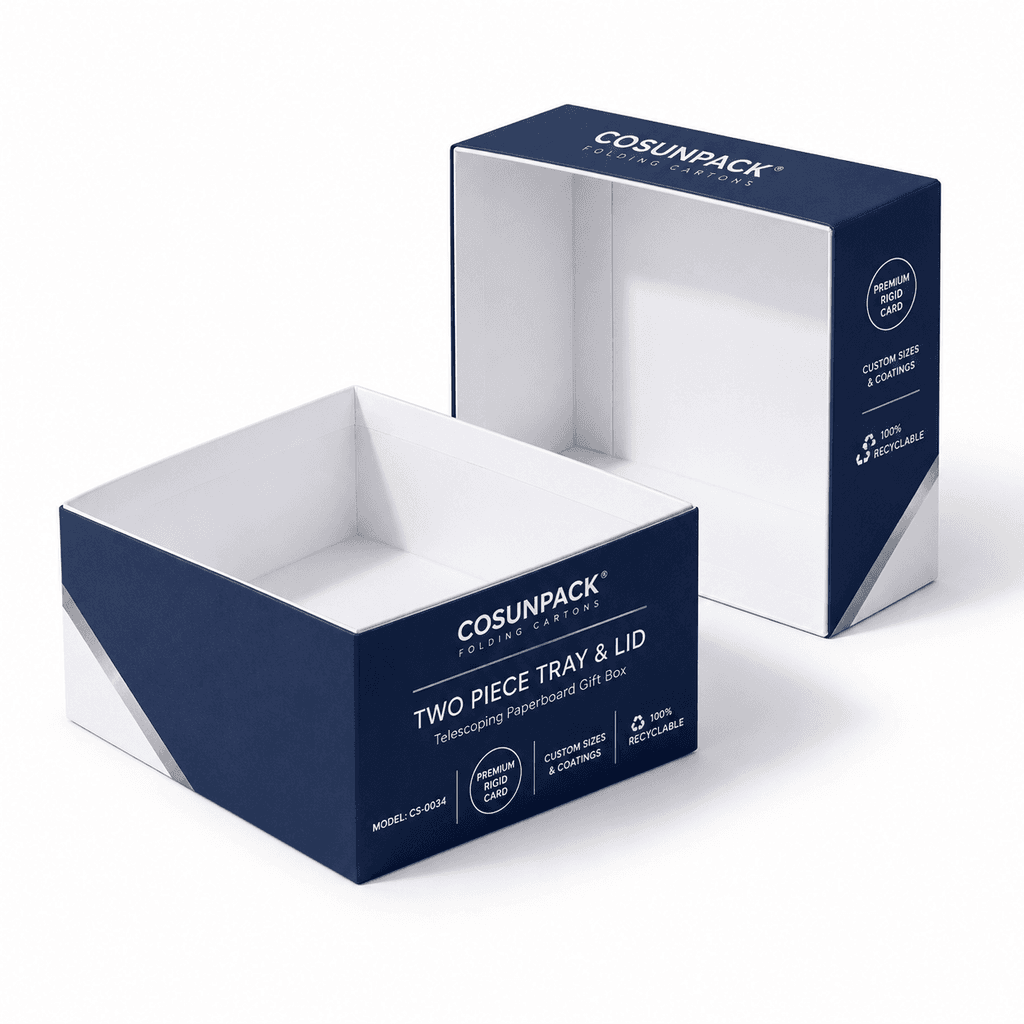
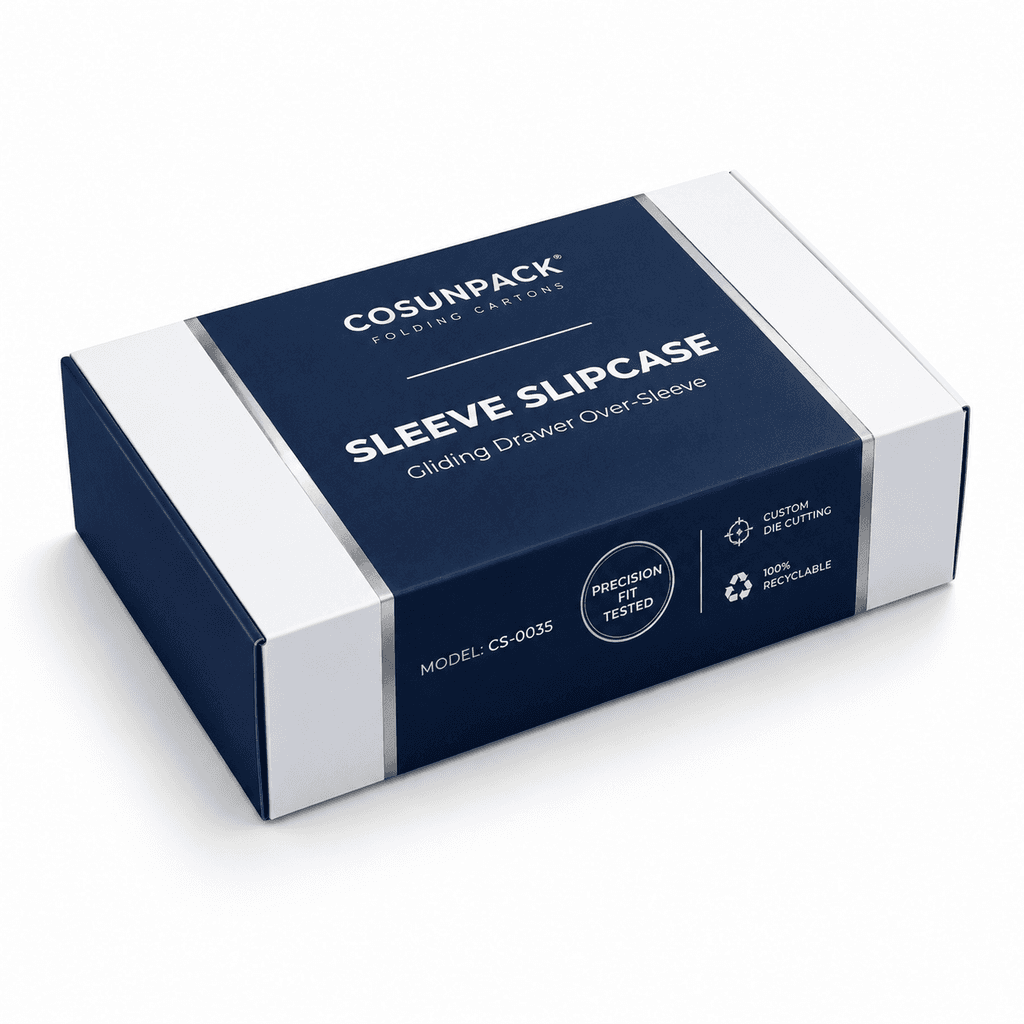
Auto Lock Bottom (Crash Bottom): Printed paperboard packaging for retail display and product presentation. Confirm the closure, board, artwork, and finishing against your filling process.
Product Highlights
- Bottom snaps pre-glued—sets up in one push
- Handles heavier fill than tuck bottoms
- Precise creases and tucks for smooth hand or machine filling
- Wide finish library: matte, gloss, soft-touch, foil, spot UV
Craftsmanship & Production
Production steps and quality checks for this packaging format, coordinated across our printing workshops and specialized production network.
Customization Options
Review the available options for Auto Lock Bottom (Crash Bottom) with our team. These are the requirements to confirm:
- Board 200–450 gsm
- Tuck / lock / seal structures
- CMYK + Pantone print
- Lamination, foil, spot UV, soft-touch
- Window patches
Specification Planning — Auto Lock Bottom (Crash Bottom)
Review these material and process options for the selected structure. Your quotation confirms the exact specification for your project.
| Material | 200–450 gsm white/kraft paperboard, GC1/GC2 |
|---|---|
| Structure | Auto Lock Bottom (Crash Bottom) |
| Size Range | Dimensions or capacity confirmed against your product and selected tooling |
| Thickness | Material thickness or weight confirmed in the approved specification |
| Printing | Offset, CMYK + up to 2 Pantone spot colors |
| Finishing | Matte/gloss lamination, spot UV, foil, embossing, soft-touch |
| MOQ | Quoted per material, structure, print process, and order quantity |
| Sampling Lead Time | Confirmed after the artwork, structure, and tooling review |
| Production Lead Time | Confirmed after sample approval and production planning |
| Typical Applications | Retail, cosmetics, food, supplements, electronics |
Options shown for planning; final parameters are agreed in writing with your quotation and approved sample.
Before You Order
Auto Lock Bottom (Crash Bottom) FAQ
Practical answers on choosing the structure, avoiding common problems, and confirming the right specification for your product.
What happens when an auto-lock bottom carton is opened?
The preglued base is designed to form as the carton is squared, reducing separate bottom-folding steps. Confirm the actual sample's motion and final base position with your team. Check that packers can recognize incomplete erection before filling the carton.
Technical references
Does an automatic bottom guarantee suitability for dense products?
No load claim follows from the erection mechanism. Provide product weight, contact geometry and packing direction, then assess the base with real contents. Concentrated feet, glass edges or an internal insert can change how the load reaches the glued and folded areas.
Technical references
What should we check after cartons have been stored flat?
Trial erection from the actual flat-packed condition and check that the base unfolds fully, the carton squares and glue areas remain intact. Include your expected storage conditions in the review. Do not force a resistant base and assume the resulting shape is acceptable.
Technical references
Can this carton improve a manual packing workflow?
Run a complete bench trial with the product, insert, leaflet and top closure. Observe opening, squaring and any corrections before counting the carton as ready to fill. Compare the full cycle with the existing carton using the same packing arrangement.
Technical references
Have a different application? Share your requirements for this model.
One Partner for Your Complete Packaging
Source packaging from China with one team, from product-led development to delivery. Share your product or idea, component list, quantity, and destination—we will help define the next steps.