
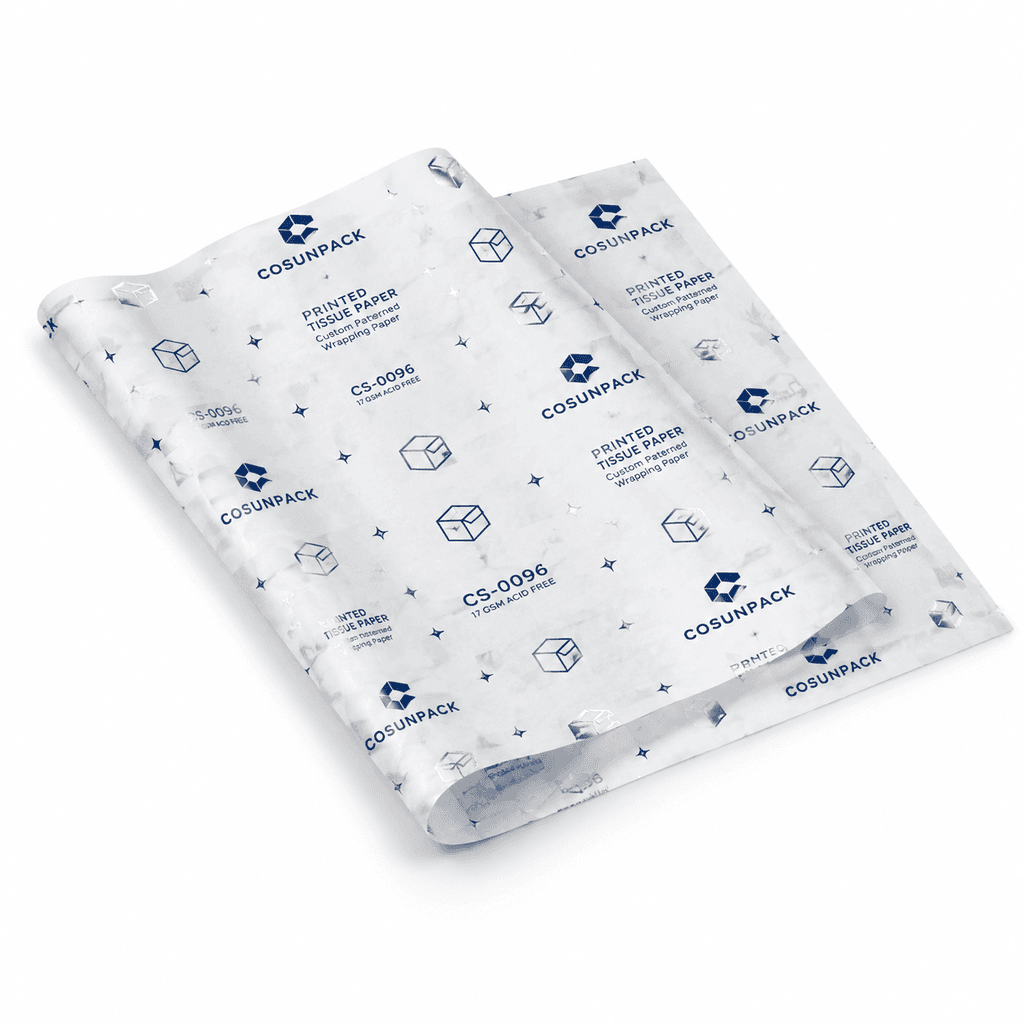
Custom Printed Tissue Paper
Custom Printed Tissue Paper: Protective packaging matched to your product and outer pack. Material, fit, presentation, and transit requirements guide the specification.
Product Highlights
- Custom printed tissue for wrapping and presentation
- Paper weight, color, and sheet size confirmed for your application
- Ink and surface contact requirements reviewed before production
- Artwork proof checked before printing
Craftsmanship & Production
Production steps and quality checks for this packaging format, coordinated across our printing workshops and specialized production network.
Customization Options
Review the available options for Custom Printed Tissue Paper with our team. These are the requirements to confirm:
- Paper grade and weight
- Sheet or roll dimensions
- Color and branding where applicable
- Packing quantity
Specification Planning — Custom Printed Tissue Paper
Review these material and process options for the selected structure. Your quotation confirms the exact specification for your project.
| Material | Tissue paper |
|---|---|
| Structure | Wrapping sheets |
| Size Range | Dimensions or capacity confirmed against your product and selected tooling |
| Thickness | Material thickness or weight confirmed in the approved specification |
| Printing | Printing options confirmed against your artwork |
| Finishing | Cut and packed to the agreed format |
| MOQ | Quoted per material, structure, print process, and order quantity |
| Sampling Lead Time | Confirmed after the artwork, structure, and tooling review |
| Production Lead Time | Confirmed after sample approval and production planning |
| Typical Applications | Electronics, cosmetics sets, gift presentation, transit protection |
Options shown for planning; final parameters are agreed in writing with your quotation and approved sample.
Before You Order
Custom Printed Tissue Paper FAQ
Practical answers on choosing the structure, avoiding common problems, and confirming the right specification for your product.
Is printed tissue enough protection for a fragile product?
Treat tissue primarily as wrapping and surface presentation unless packed tests show otherwise. State whether the objective is separating surfaces, obscuring contents or adding an unboxing layer. Evaluate fragile items with the outer pack and required cushioning rather than relying on the printed sheet alone.
How can we reduce ink transfer onto pale products?
Identify the contact side, product finish and likely moisture exposure before choosing the printed construction. Trial wrapped samples through storage and handling, then inspect both surfaces. Heavy coverage may need a different layout or interleaf, which should be included in the approved assembly.
Technical references
How do we specify tissue for a consistent wrapping routine?
Send the product dimensions, wrapping sequence, preferred overlap and any folds visible at opening. Trial sheet size with packers using real contents. Compare tearing at corners, excess bulk and presentation so the specification supports the intended routine without unnecessary material.
Technical references
What should a printed tissue proof show?
Review the repeat, logo direction and ink appearance on the selected tissue, including overlaps and folds. Supply a wrapping mockup to show where graphics should land. Approve the final paper and print together because a flat digital layout cannot represent the finished translucent layers.
Technical references
Have a different application? Share your requirements for this model.
More in Inserts & Protective Packaging
View all 9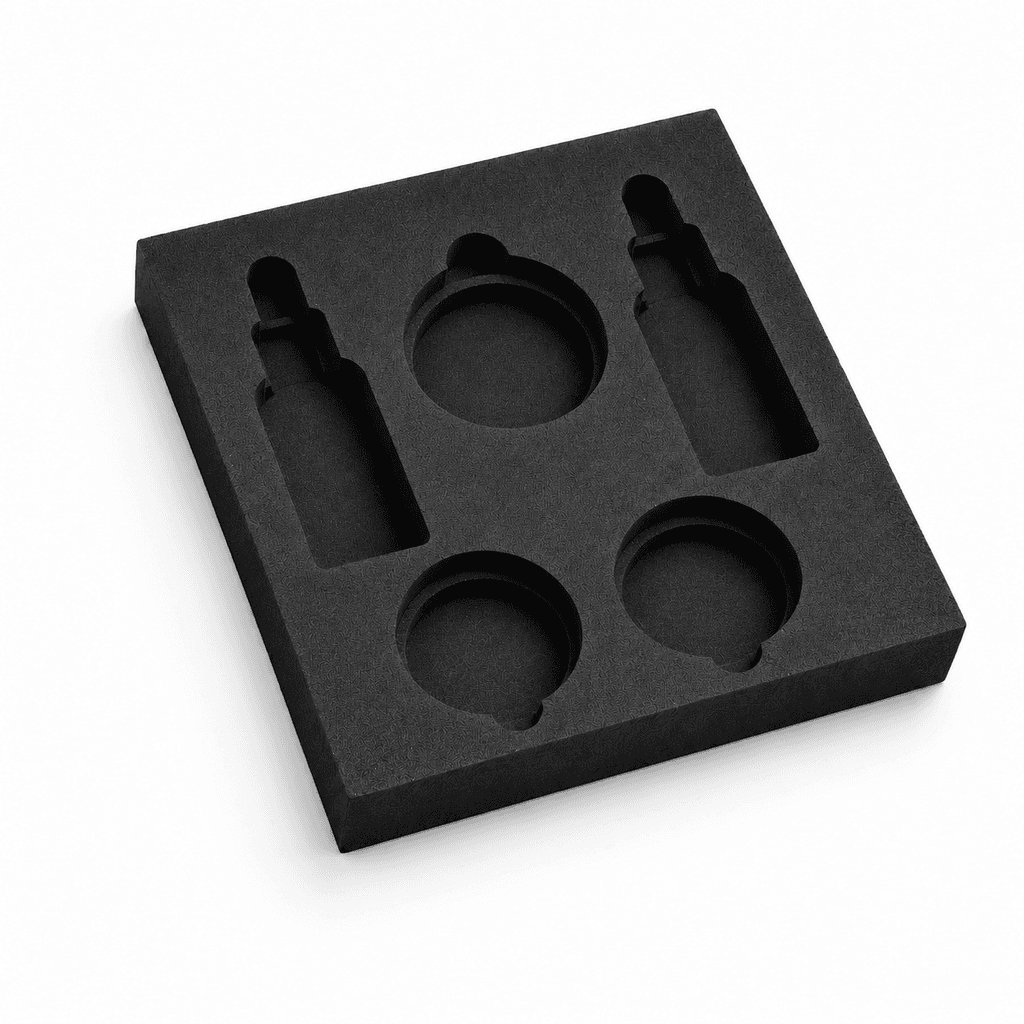
Foam Inserts (Die Cut EVA PE Foam)
CS-0090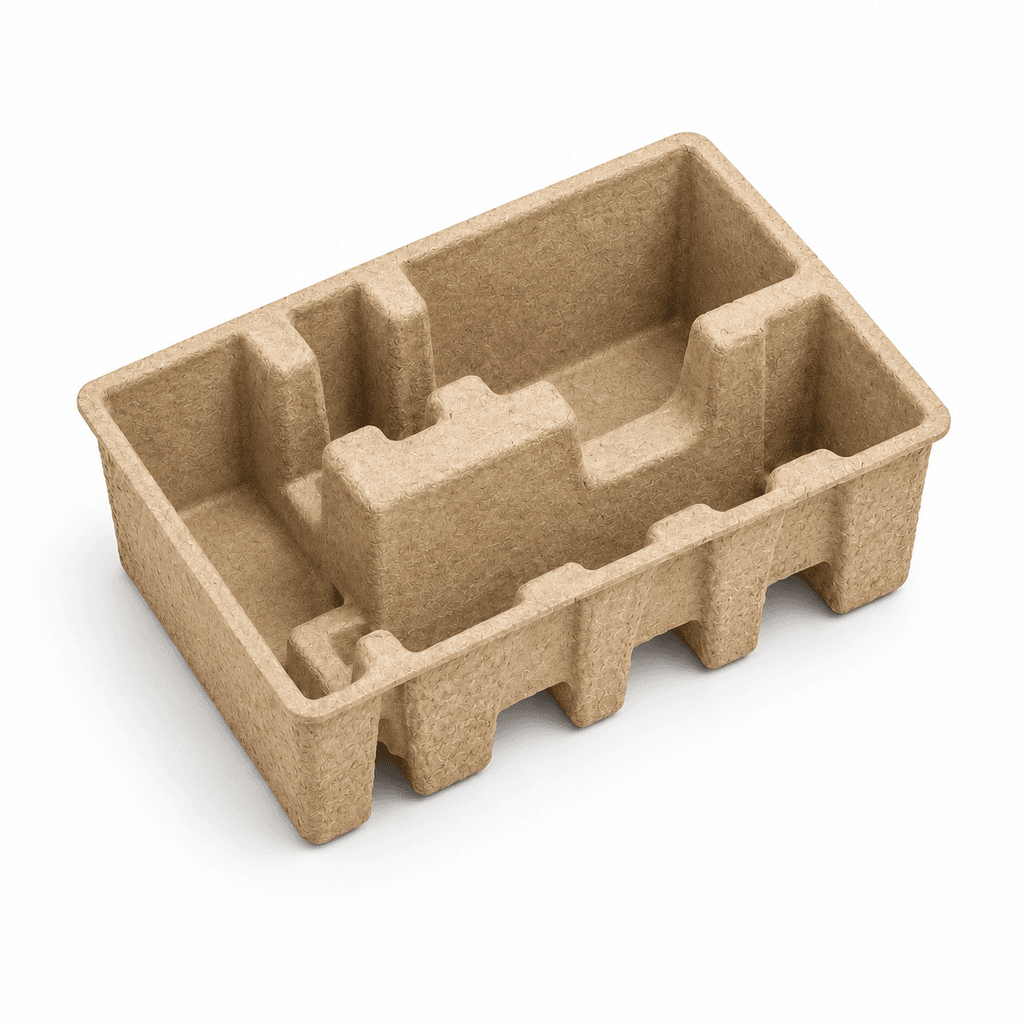
Molded Pulp Inserts (Eco Friendly)
CS-0091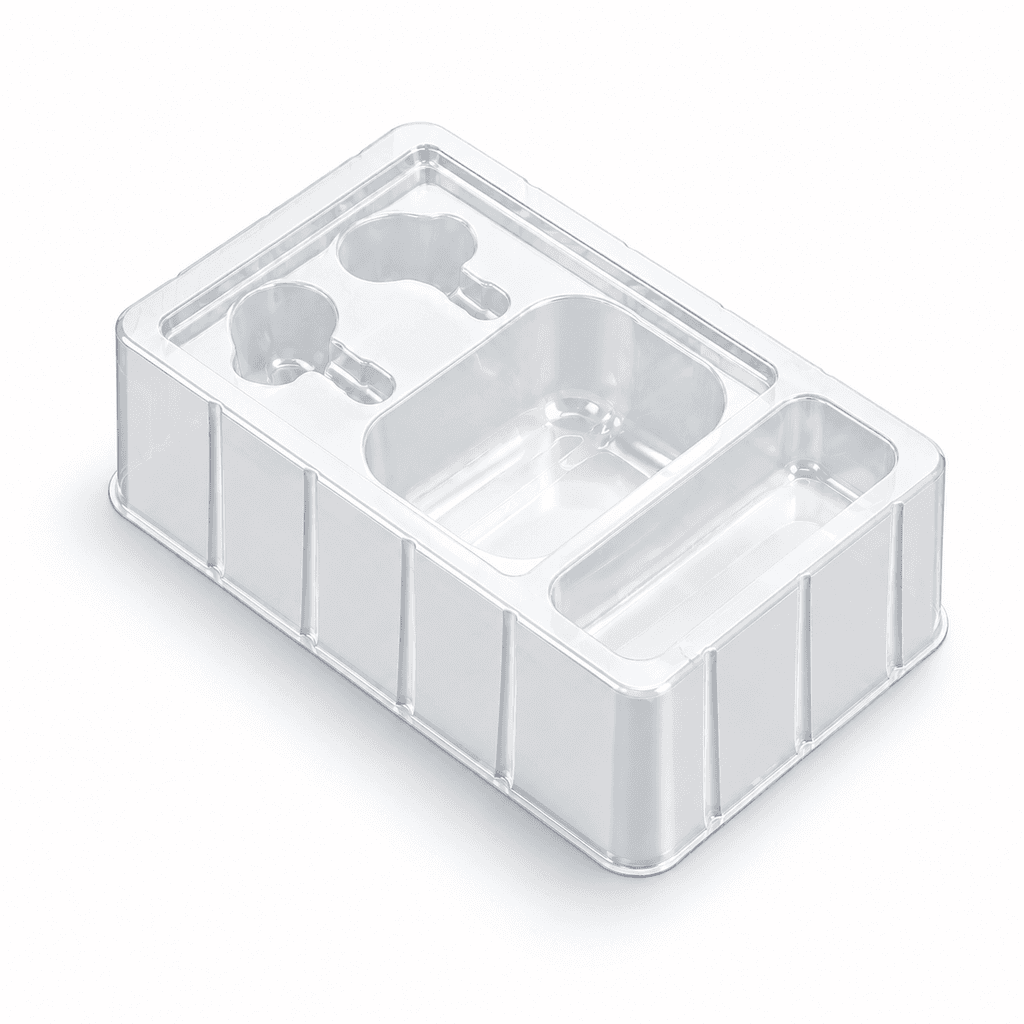
Plastic Tray Inserts (PET PP Thermoformed)
CS-0092
Corrugated Dividers Partitions
CS-0093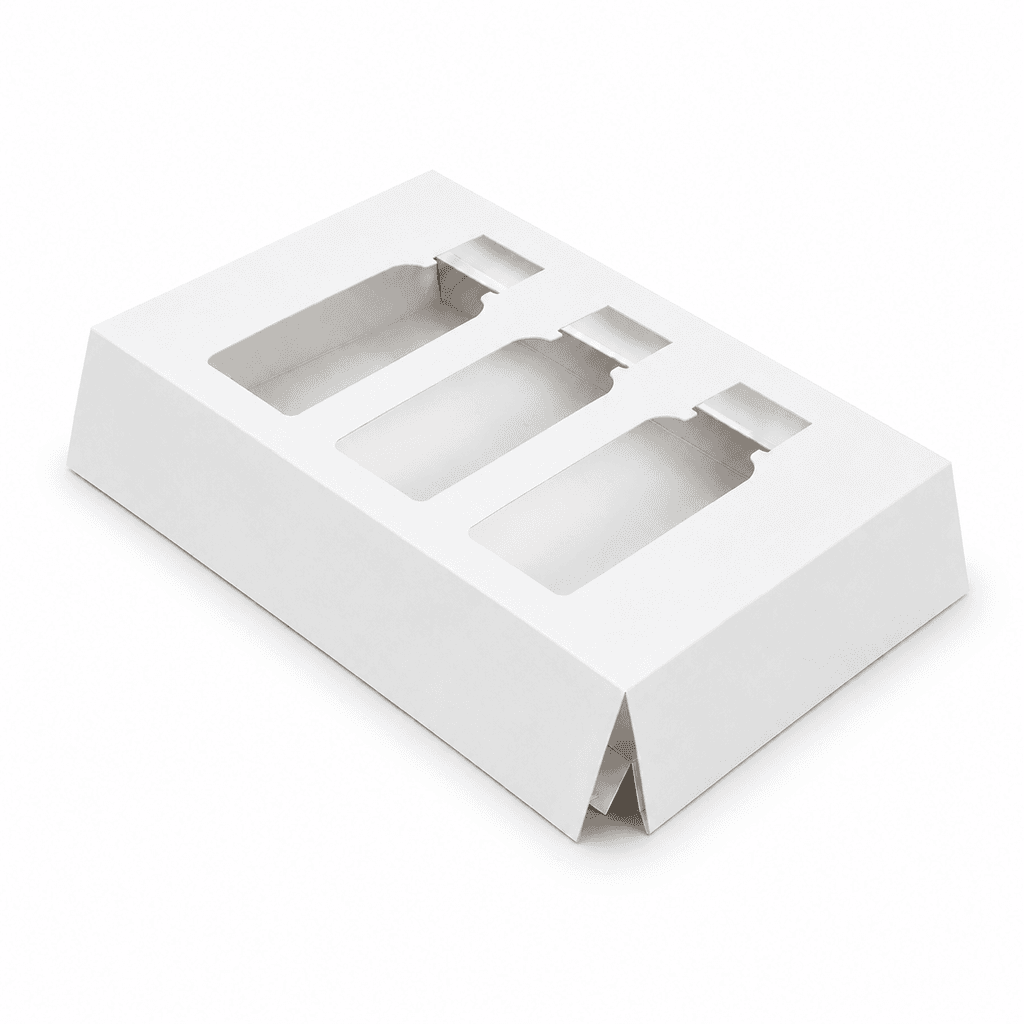
Paperboard Inserts (Folding Carton Material)
CS-0094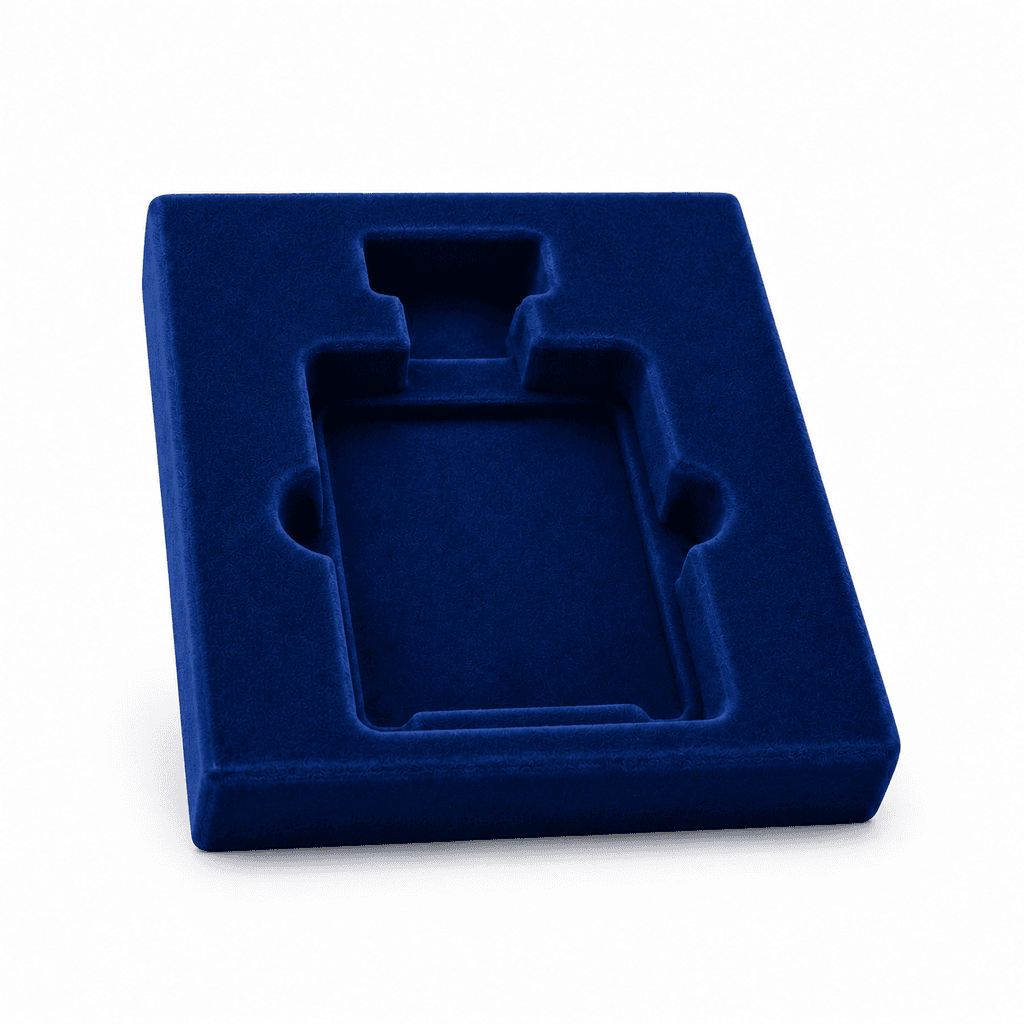
Velvet Flocked Inserts (Luxury)
CS-0095
Crinkle Cut Paper Fill
CS-0097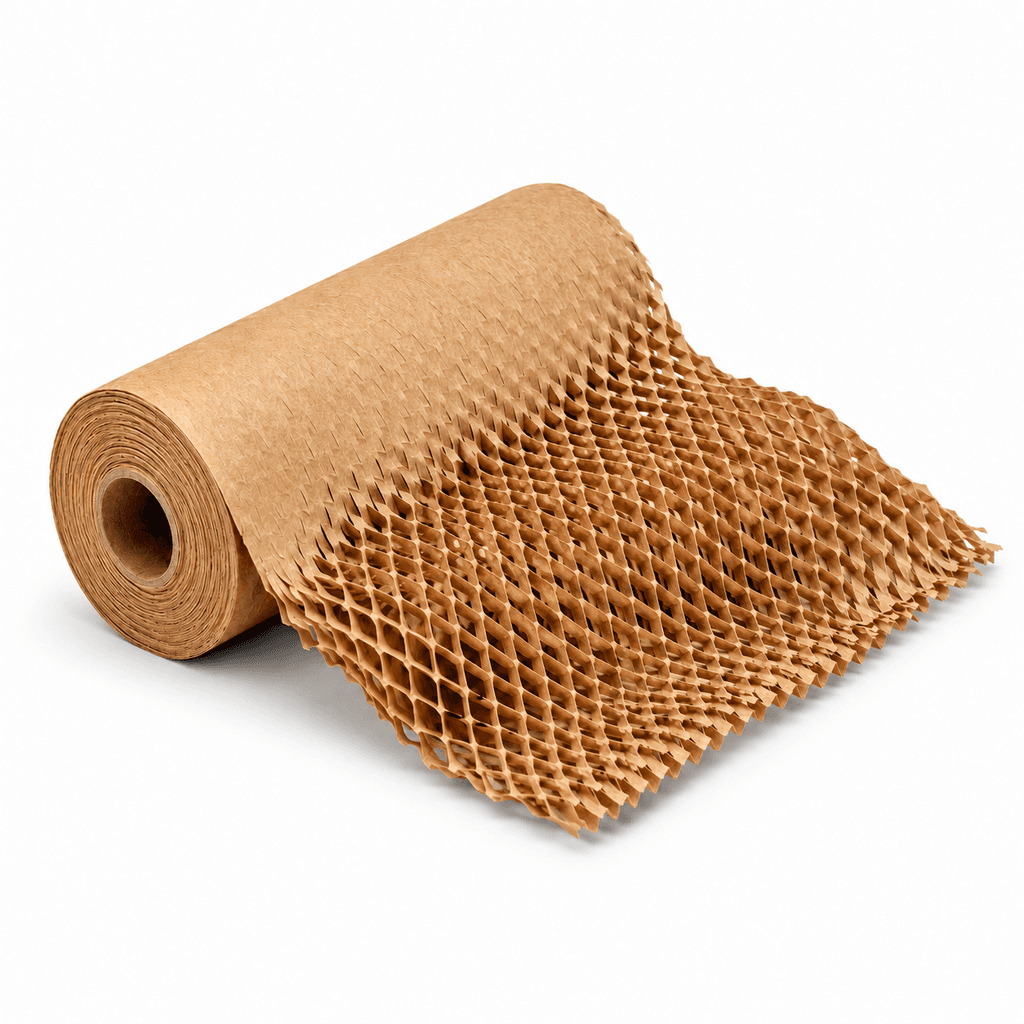
Honeycomb Paper Wrap
CS-0098One Partner for Your Complete Packaging
Source packaging from China with one team, from product-led development to delivery. Share your product or idea, component list, quantity, and destination—we will help define the next steps.