
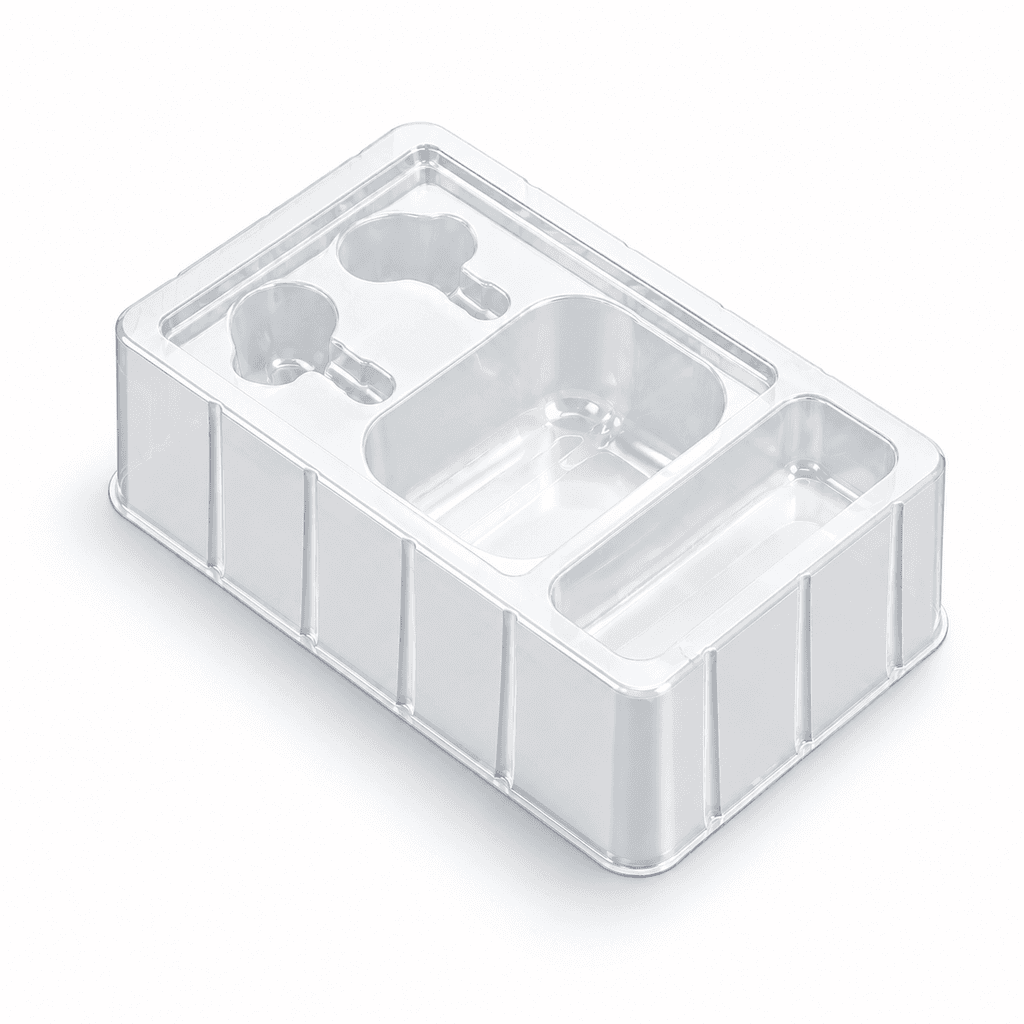
Plastic Tray Inserts (PET PP Thermoformed)
Plastic Tray Inserts (PET PP Thermoformed): Protective packaging matched to your product and outer pack. Material, fit, presentation, and transit requirements guide the specification.
Product Highlights
- PET or PP tray material selected for the intended use
- Thermoformed pockets matched to your product
- Tray fit reviewed with the outer packaging
- Stacking and handling requirements confirmed during sampling
Craftsmanship & Production
Production steps and quality checks for this packaging format, coordinated across our printing workshops and specialized production network.
Customization Options
Review the available options for Plastic Tray Inserts (PET PP Thermoformed) with our team. These are the requirements to confirm:
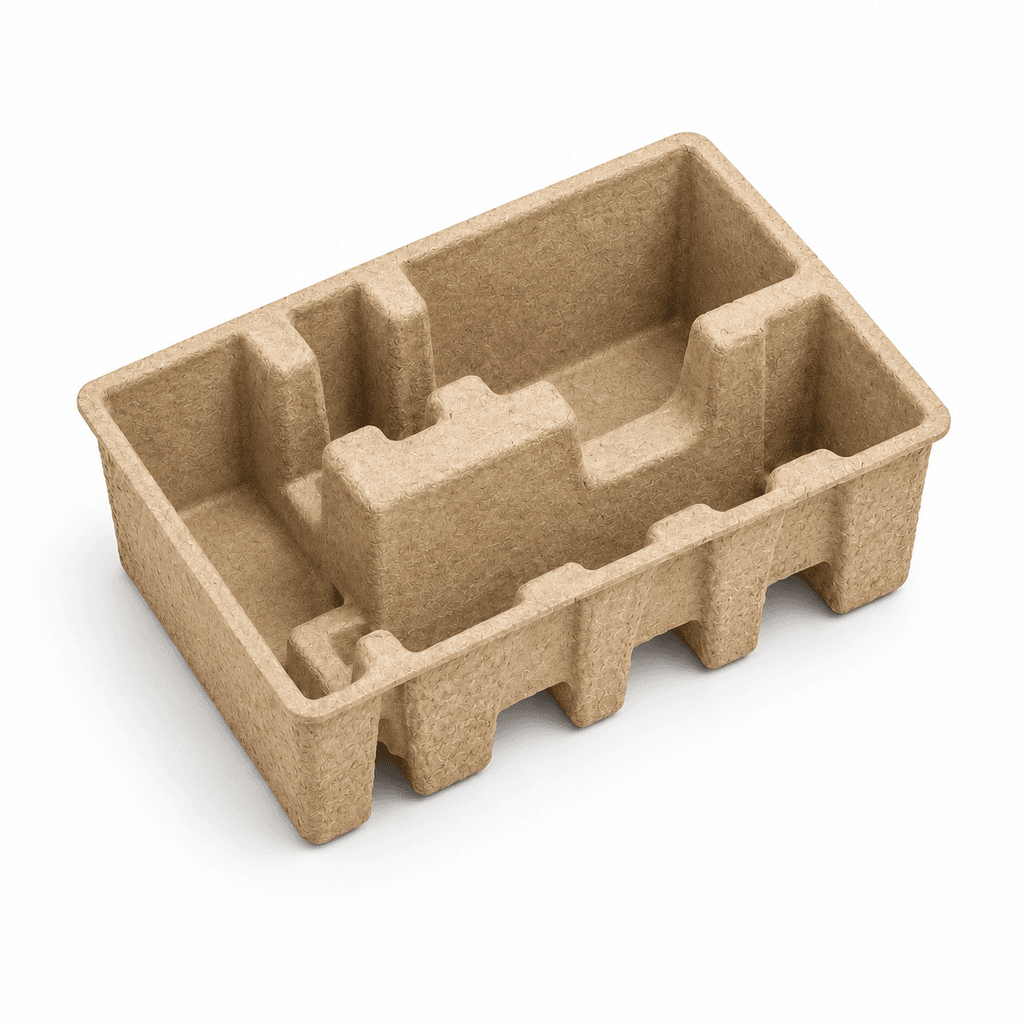
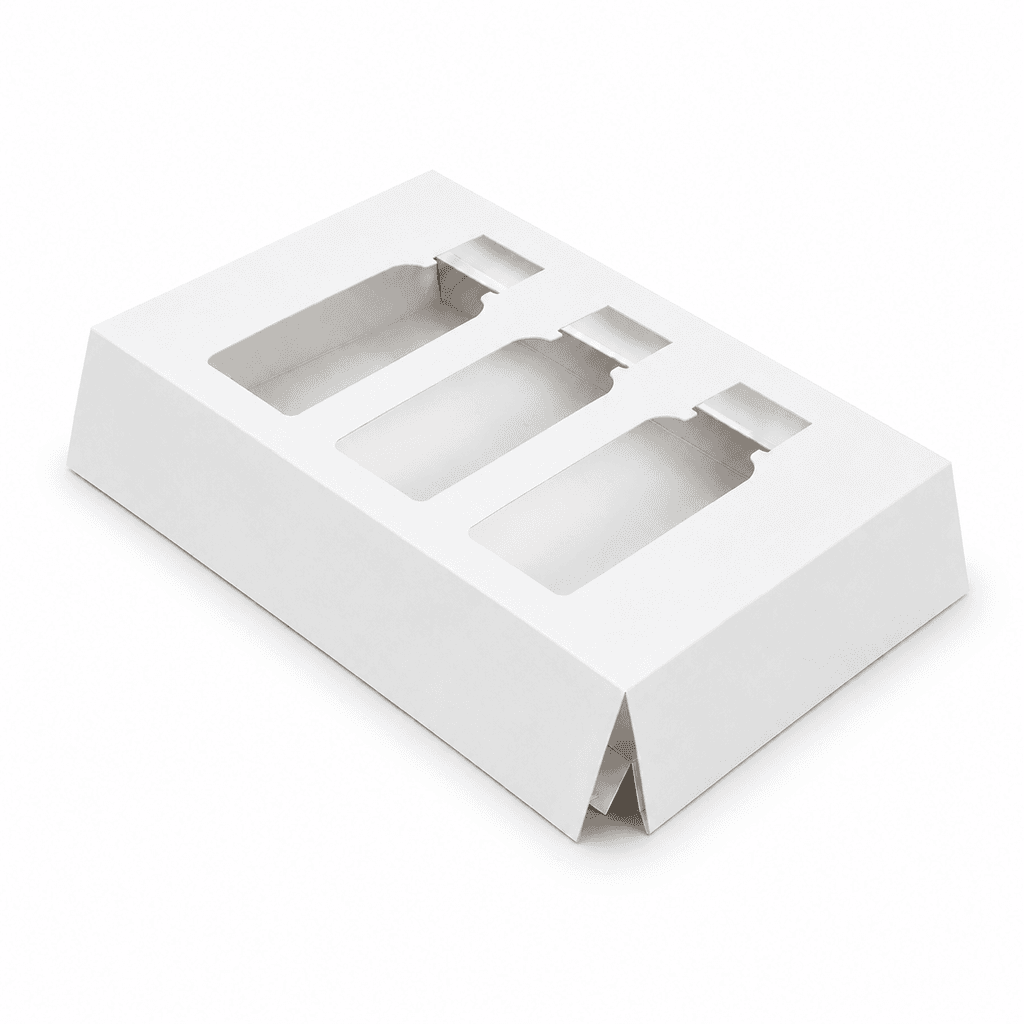
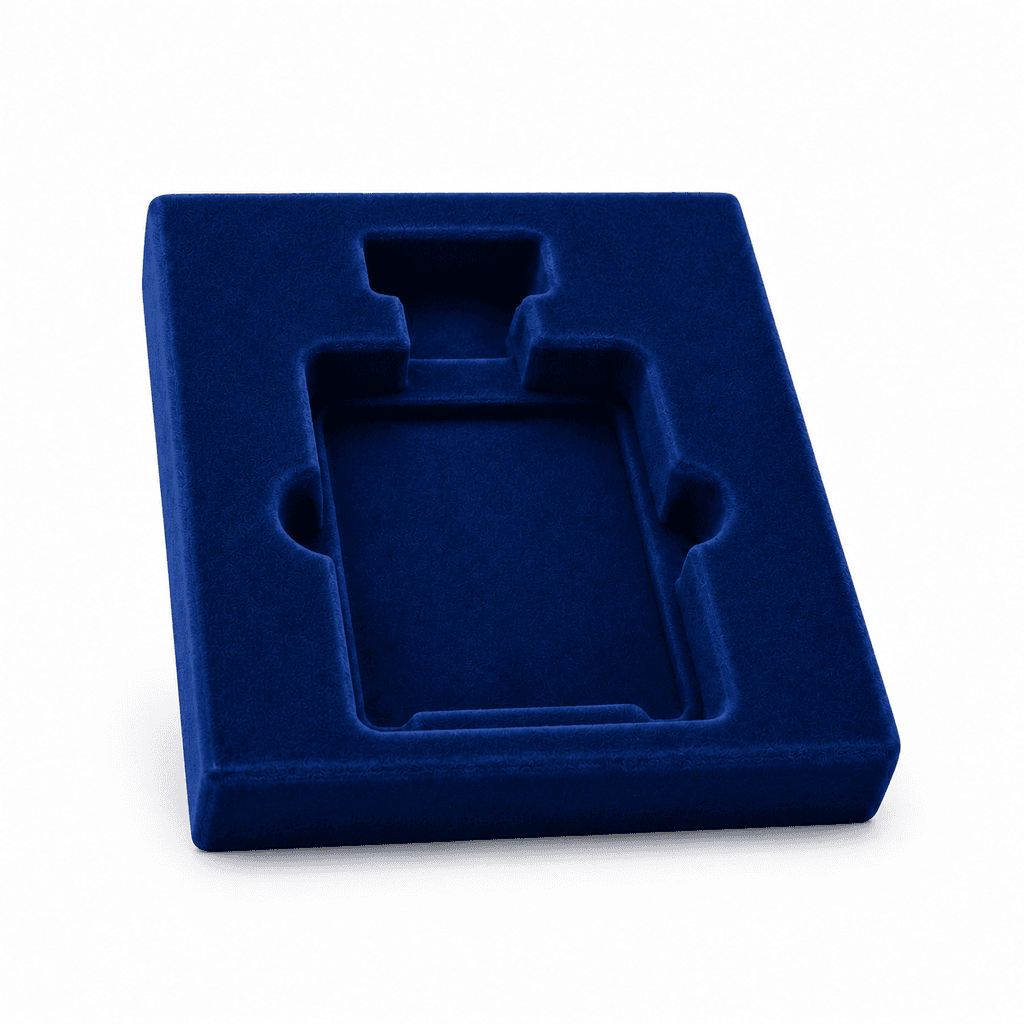
- Material (foam / pulp / PET / board)
- Cavity layout
- Thickness & density
- Flocking & fabric finish
- Print & branding
Specification Planning — Plastic Tray Inserts (PET PP Thermoformed)
Review these material and process options for the selected structure. Your quotation confirms the exact specification for your project.
| Material | PET or PP sheet as specified |
|---|---|
| Structure | Plastic Tray Inserts (PET PP Thermoformed) |
| Size Range | Dimensions or capacity confirmed against your product and selected tooling |
| Thickness | Material thickness or weight confirmed in the approved specification |
| Printing | Decoration options reviewed for the selected tray material |
| Finishing | Thermoforming and trimming to the approved tray design |
| MOQ | Quoted per material, structure, print process, and order quantity |
| Sampling Lead Time | Confirmed after the artwork, structure, and tooling review |
| Production Lead Time | Confirmed after sample approval and production planning |
| Typical Applications | Electronics, cosmetics sets, gift presentation, transit protection |
Options shown for planning; final parameters are agreed in writing with your quotation and approved sample.
Before You Order
Plastic Tray Inserts (PET PP Thermoformed) FAQ
Practical answers on choosing the structure, avoiding common problems, and confirming the right specification for your product.
Should we choose PET or PP for a thermoformed tray?
Describe the contents, handling temperature, transparency priorities and disposal market before selecting the resin. Ask for the exact grade and formed sample rather than comparing only sheet descriptions. Check pocket stiffness, contact appearance and compatibility with any adjacent packaging materials.
Technical references
Why can a formed tray crack or distort during packing?
Thin corners, tight pockets and stacking loads deserve attention during sampling. Supply the product tolerances and handling sequence, then inspect loaded trays after stacking and transport simulation. Approval should cover the formed geometry and outer pack, not just the original sheet thickness.
Technical references
How can we prevent trays sticking together on the line?
Send the stack orientation, stack height and manual or automatic loading method. Include denesting and removal in the sample trial, looking for doubled trays, bent rims and inconsistent pocket placement. Confirm usable dimensions on formed parts so the product fits throughout normal variation.
Technical references
Can the tray carry a recycling claim?
Confirm the actual resin, color, labels and other attachments before selecting claim wording. A PET or PP designation alone does not prove collection or recycling access for that tray. Review the complete component and destination system, and ask what documentation supports the proposed disposal instruction.
Have a different application? Share your requirements for this model.
More in Inserts & Protective Packaging
View all 9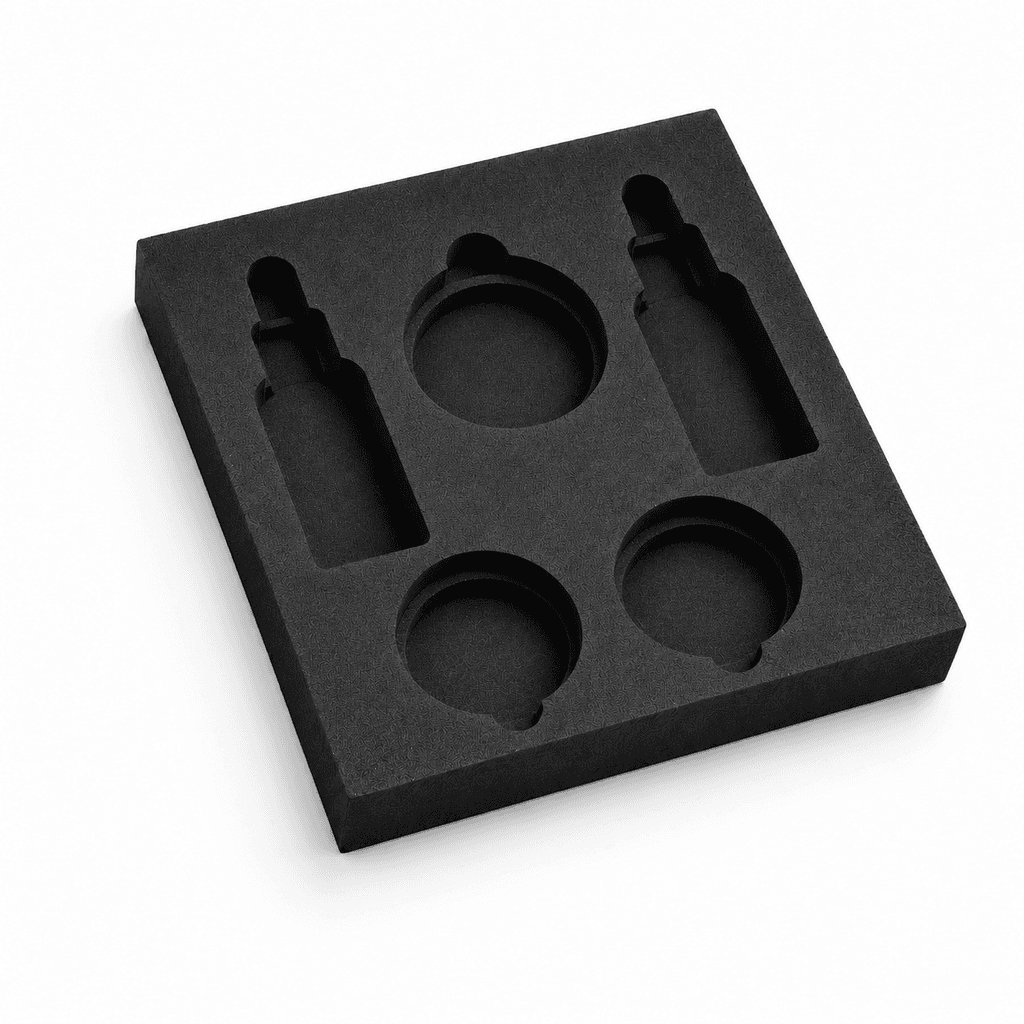

One Partner for Your Complete Packaging
Source packaging from China with one team, from product-led development to delivery. Share your product or idea, component list, quantity, and destination—we will help define the next steps.