Label Adhesive Selection for Plastic and Glass Containers
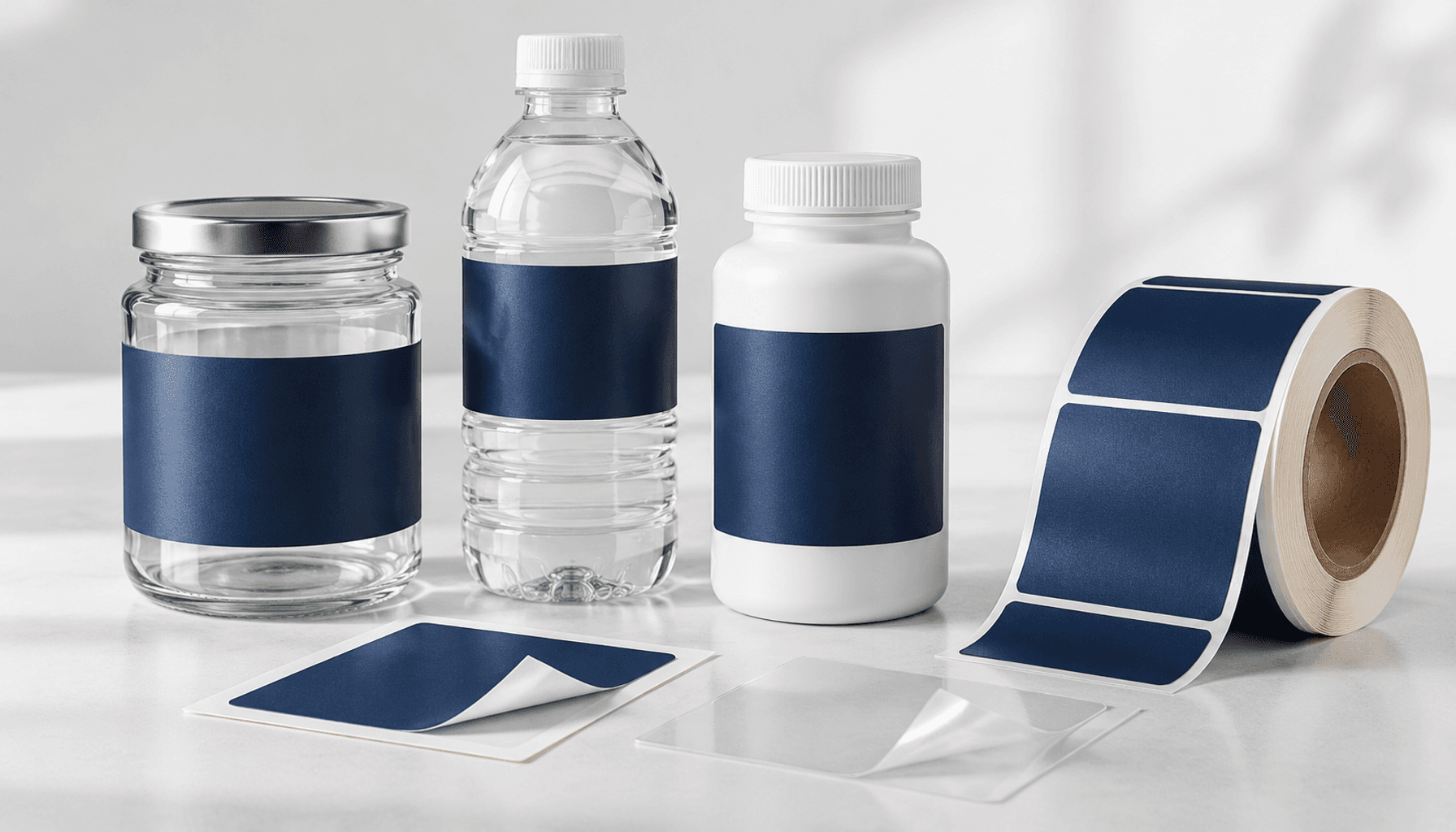
Table of Contents
- Base Label Adhesive Selection on the Actual Application
- Identify the Surface the Adhesive Will Contact
- Application Temperature and Service Temperature Are Different
- Label Adhesive Selection Matrix by Surface and Exposure
- Match Adhesive, Facestock, and Label Geometry
- Run a Step-by-Step Label Qualification Trial
- Coordinate CosunPack Labels With the Intended Container
- Include Trial Runs and Rework in the Project Cost
- Frequently Asked Questions About Label Adhesive Selection
- Plan Your Packaging Set With CosunPack
Base label adhesive selection on the container’s actual surface, application temperature, curvature, and expected exposure, then qualify the complete label construction on representative containers. Adhesive chemistry alone cannot predict edge lift, wrinkles, or removal residue.
Table of Contents
Base Label Adhesive Selection on the Actual Application
Choose a bottle label adhesive against a written use profile. A label that grips a clean, dry sample may still lift after cold filling, repeated squeezing, or contact with lotion.
Definition: A pressure-sensitive adhesive (PSA) bonds when application pressure brings it into close contact with a surface. Wet-out describes how closely the adhesive spreads over microscopic surface features; tack describes initial grip. Neither property alone establishes long-term performance.
Record the container material and finish, label dimensions, labeling process, and expected exposure. Request the adhesive grade and technical data sheet: broad descriptions such as acrylic, rubber-based, permanent, or waterproof do not define an approved construction.
Identify the Surface the Adhesive Will Contact
Specify the outermost surface. The adhesive may contact a coating, printed layer, surface treatment, or residue rather than bare glass or plastic. Qualification samples must have the same finish and preparation as production containers.
Compare Glass, PET, HDPE, and PP Container Surfaces
Polyethylene terephthalate (PET), high-density polyethylene (HDPE), and polypropylene (PP) need separate screening. Clean, uncoated glass generally provides a readily wettable surface. Smooth PET is often easier to bond than untreated HDPE or PP, although finishes and contamination can change that behavior.
Labels lift from HDPE and PP bottles because these plastics have relatively low surface energy, which can limit adhesive wet-out. Stiff label materials and bottle deformation can add lifting stress. For HDPE bottle label adhesion, request a grade supported for the actual surface and test the complete label on filled bottles. A resin name alone cannot establish suitability.
Account for Coatings, Texture, Residue, and Container Flexing
Texture can reduce effective contact area, while coatings or transferred residues can change adhesion. A glass jar label adhesive approved on clear glass therefore needs another check on a frosted or coated version.
Investigate failure location. Lifting beside a mold seam suggests checking panel geometry and pressure distribution; widespread weak adhesion suggests checking wet-out, contamination, or temperature. Wrinkles after squeezing call for a closer look at label flexibility. Compare containers as received with any proposed cleaning process, and validate that process before specifying it.
Application Temperature and Service Temperature Are Different
Application temperature describes conditions when the label is attached, especially the container surface temperature. Service temperature describes exposure after application and the specified bond-development period.
A label intended for refrigerated service may require application to a warmer, dry container first. Its cold-service rating does not establish suitability for cold or damp application. Obtain the construction supplier’s minimum application temperature, service range, conditioning instructions, and dwell requirements.
Record Surface Temperature, Moisture, and Application Pressure
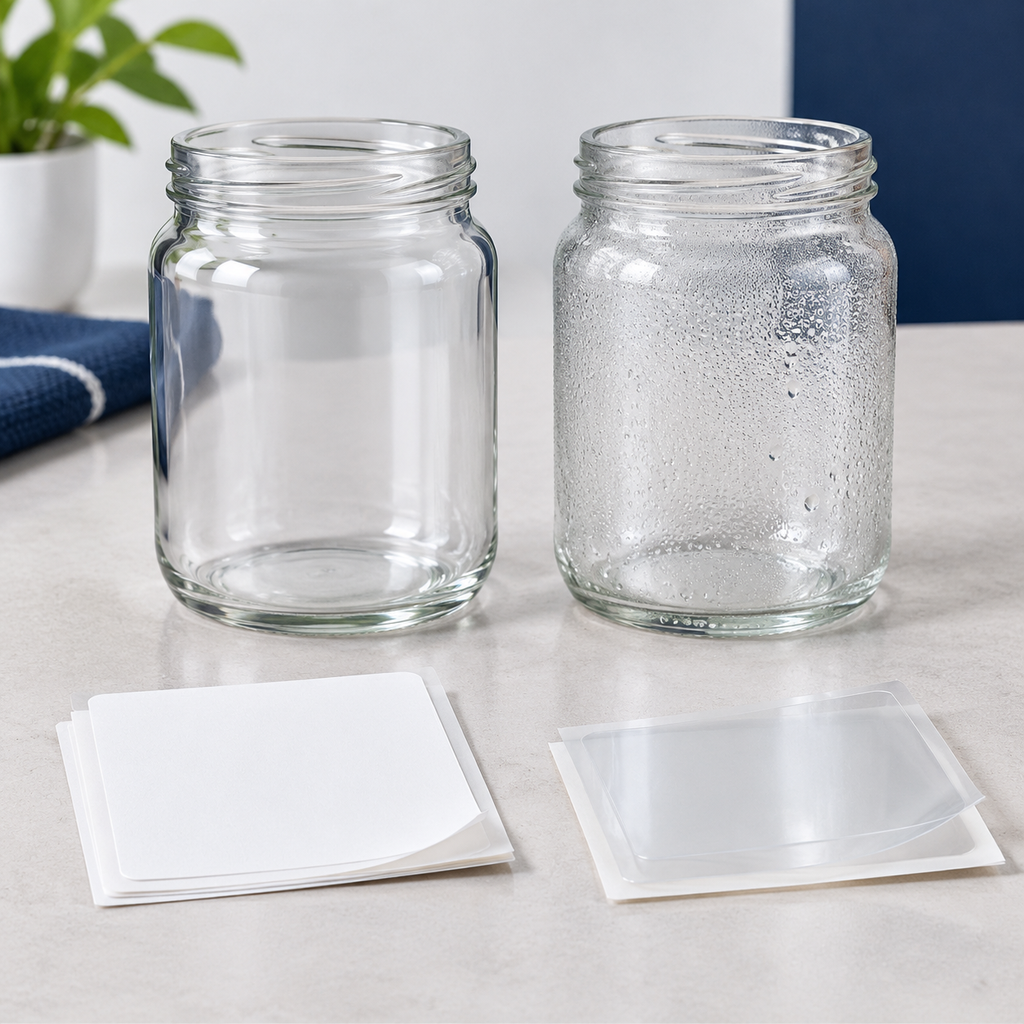
Measure temperature at the labeling surface and record values in °F and °C. Also record room humidity, label-roll conditioning, line speed, and wipe-down pressure or equipment settings.
Condensation introduces water between the adhesive and container, interrupting contact. Dry or condition containers where practical. If wet application is unavoidable, request a construction specifically supported for those conditions and trial it while moisture is present. A dry laboratory sample cannot represent that process.
Define Adhesive Dwell Time Before Handling and Exposure
Dwell time is the interval between label application and a defined evaluation or exposure. Many PSAs develop adhesion as contact improves over time, so an immediate check and a later check answer different questions.
Agree inspection intervals with the material supplier and reproduce the actual delay before packing, chilling, washing, or shipment. Avoid applying a universal waiting period to every adhesive. If production exposes labels immediately, include that sequence in qualification.
Label Adhesive Selection Matrix by Surface and Exposure
Use this matrix to shortlist constructions and define sample checks. Each row describes a screening direction; approval still depends on the actual container, label, and process.
| Surface and use | Candidate construction requirement | Qualification focus |
|---|---|---|
| Smooth glass; dry indoor use | PSA grade supported for glass; suitable paper or film face | Bond development, edge lift, and intended removal behavior |
| Smooth PET; clear appearance | Optically suitable adhesive and clear film | Haze, trapped air, and adhesion after filling |
| HDPE or PP; repeated squeezing | Adhesive supported for low surface energy; conformable face | Actual resin, repeated flexing, and edge lift |
| Chilled glass or plastic | Cold-application suitability if applied cold; wet-surface suitability if necessary | Surface temperature, condensation, and temperature cycling |
| Bathroom or oily-product exposure | Moisture and chemical resistance of the complete construction | Actual product contact, splashes, wiping, and print condition |
| Removable label on either material | Removable grade defined for the substrate and removal interval | Residue, tearing, and damage to the container finish |
When conditions overlap, combine the checks. Cold application and later oil exposure require separate evidence.
Match Adhesive, Facestock, and Label Geometry
Qualify the full construction: adhesive, facestock, printing, protective finish, and release liner. Facestock is the paper or film carrying the printed design. The liner protects the adhesive before dispensing.
Paper can absorb moisture unless appropriately protected; film performance depends on its grade and construction. A stiff film or laminate can resist bending around a tight curve. Clear labels also need an appearance check for bubbles, haze, and visible adhesive texture. A stronger adhesive alone may not resolve these problems.
Check Curved Surfaces, Small Diameters, and Edge Lift
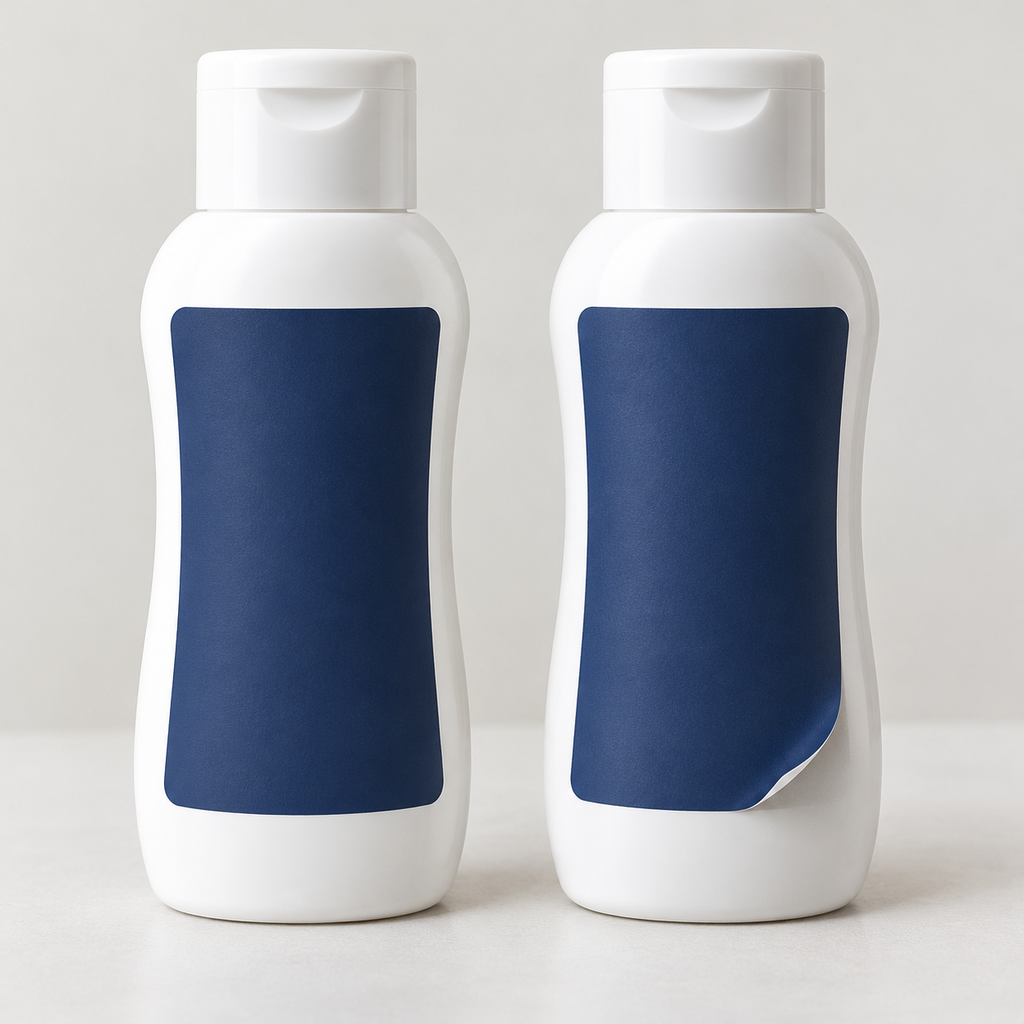
Keep the label within a defined labeling panel. Shoulders, taper, ribs, seams, and abrupt curvature changes can prevent uniform contact or introduce stress.
For labels lifting on plastic bottles, compare a smaller label or more conformable face alongside adhesive candidates. Test the final corner shape and any wraparound overlap; an overlap bonds to the label’s printed or coated face. Inspect after dwell and squeezing. Record lifted-edge length and maximum lift height in millimeters, using agreed measurement methods and limits.
Specify Permanent or Removable Behavior With Acceptance Criteria
Define permanent or removable behavior through measurable acceptance criteria. For permanent labels, specify allowable edge lift, sliding, wrinkling, and loss of required text readability after the intended exposures.
For removable labels, define the removal interval, temperature, method, acceptable residue, and permitted damage to the container finish. Clean removal shortly after application does not establish clean removal months later. Agree peel-test conditions when quantitative results are needed, including specimen width, peel angle, speed, dwell, temperature, and force units.
Run a Step-by-Step Label Qualification Trial
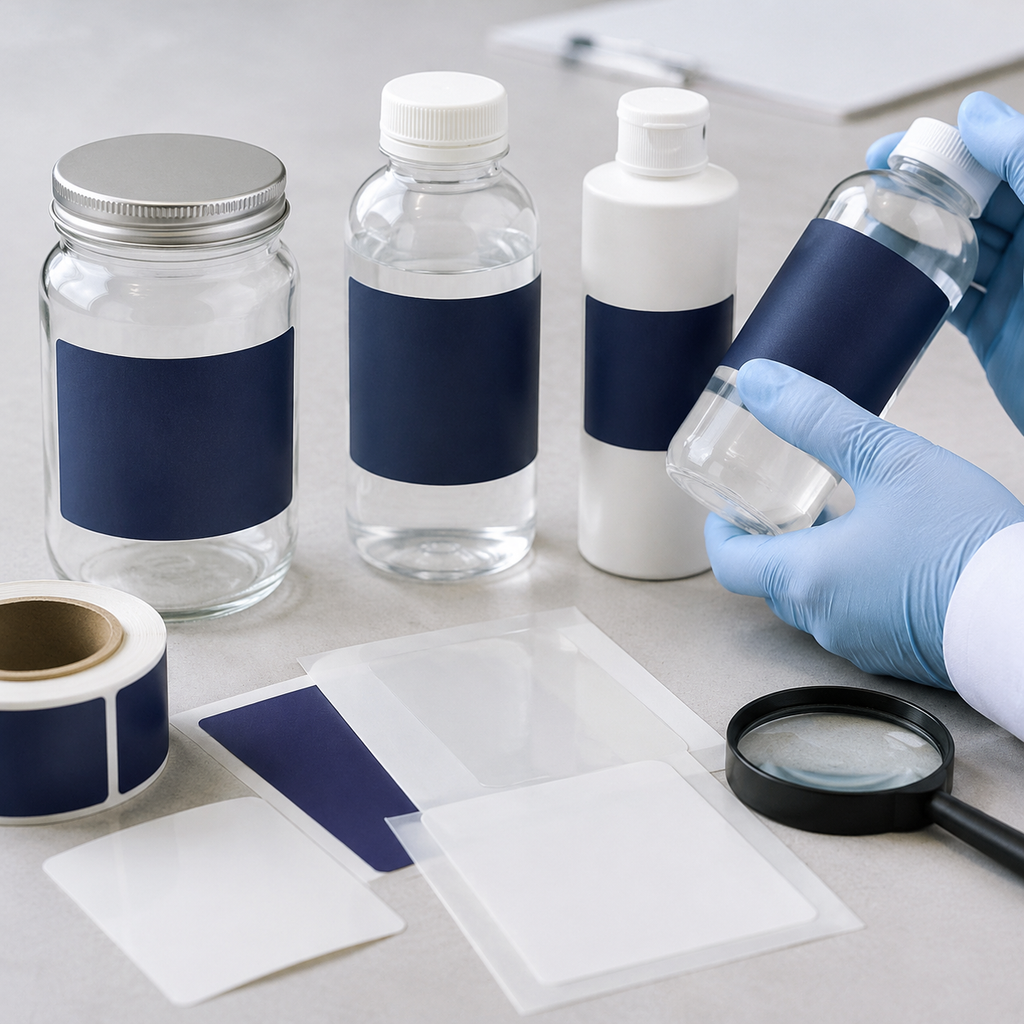
Test production-representative labels on actual containers under recorded application and exposure conditions. Use repeat samples and retain an unexposed comparison set.
- Select representative containers. Include relevant finish, resin, dimensional, and batch variation. Use filled containers when filling changes shape or temperature.
- Identify every construction. Record adhesive grade, facestock, finish, label dimensions, liner, artwork version, and sample lot. Retain technical data sheets.
- Agree the protocol. Set sample quantities, conditioning, dwell intervals, exposure duration, measurement methods, and pass/fail criteria before testing.
- Apply under realistic conditions. Record surface temperature, moisture, line speed, and application settings. Hand application can screen candidates, but machine-applied production needs a line trial.
- Inspect initial and developed adhesion. Photograph edges consistently. Record lifting, wrinkles, bubbles, sliding, and residue against the agreed limits.
- Reproduce relevant exposure. Include refrigeration, condensation cycles, water, product splashes, wiping, or repeated squeezing as appropriate. Record temperatures, durations, and cycle counts; inspect during exposure and afterward.
- Approve and control changes. Document the accepted construction and process window. Define when changes to resin, coating, adhesive, label size, or applicator settings require another trial.
Use CosunPack’s packaging quality checkpoints to agree inspection scope, batch records, and reporting. Label adhesion testing establishes performance under the recorded conditions; it does not establish product shelf life or food-contact compliance.
Coordinate CosunPack Labels With the Intended Container
Develop the label and container against one approval brief. CosunPack describes coordinated component development through its Guangzhou team, with glass and plastic containers supplied through specialized equity-partnered facilities. The selected construction still needs project-specific qualification.
| Component | What to match before approval |
|---|---|
| Roll label | Use the roll labels for bottles and jars specification to confirm winding, core and roll diameters, label gap, and dispensing behavior. |
| Clear label | Review clear transparent labels for optical appearance and contact on the intended container finish. |
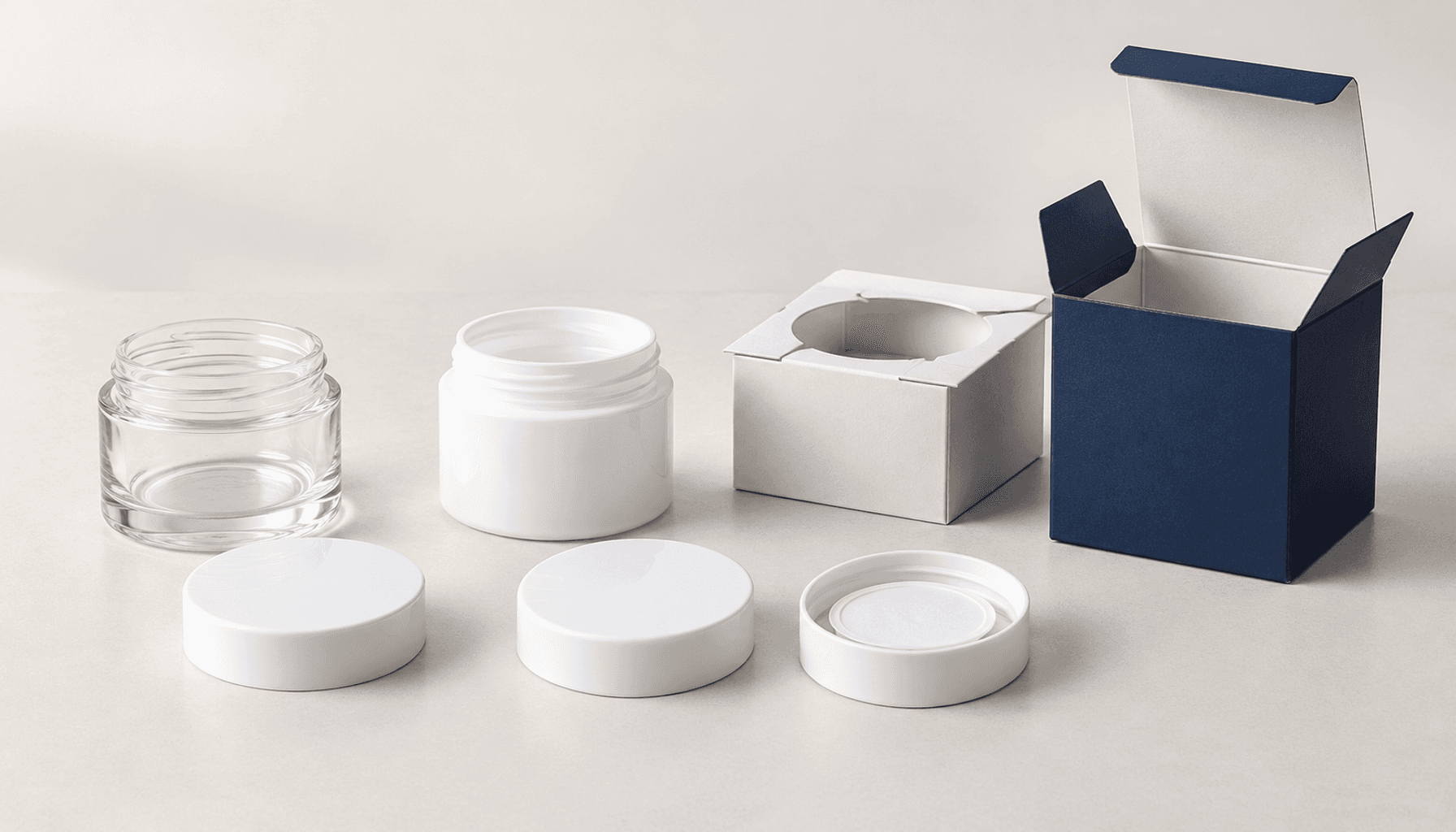
| Glass container | Match a straight-sided glass jar to the labelable panel dimensions and actual surface finish. |
| Plastic container | Match a plastic Boston round bottle to the specified resin, body flex, and label curvature. |
If the labeled container enters a fitted box or insert, check that loading and removal do not rub or catch label edges.
Include Trial Runs and Rework in the Project Cost
Compare candidates by the cost of producing an accepted labeled container. Include converted samples, trial rolls, dies where needed, representative containers, line setup, inspection, and rejected samples.
Also assess relabeling labor, adhesive cleanup, replacement containers, disposal, and production interruptions. A lower label price can be outweighed by difficult dispensing or edge-lift rework. Request separate quotation lines for development, trials, and production, with quantities and responsibilities stated. Price, minimum order quantity, sampling, and production timing depend on the project.
Frequently Asked Questions About Label Adhesive Selection
The answers below summarize the surface, temperature, moisture, and testing decisions that should appear in the label approval brief.
Plan Your Packaging Set With CosunPack
Key takeaways:
- Identify the actual outer surface and application conditions.
- Approve adhesive, facestock, finish, and geometry together.
- Record trial conditions, acceptance limits, and changes requiring requalification.
A useful approval connects the label specification to a repeatable application process and the exposures the finished pack will encounter.
FAQ
Why do labels lift from HDPE and PP bottles?
High-density polyethylene (HDPE) and polypropylene (PP) have relatively low surface energy, which can limit adhesive contact. Stiff labels, contamination, tight curvature, and bottle flexing can add lifting stress. Screen an adhesive supported for the actual surface together with a suitable facestock, then test filled production-representative bottles.
What is the difference between label application temperature and service temperature?
Application temperature describes conditions when the label is attached, especially container surface temperature. Service temperature describes exposure after application and the specified dwell period. A refrigerated-service rating does not establish suitability for application to a cold or damp bottle.
How does condensation affect label adhesive selection?
Condensation places water between the adhesive and container, reducing effective contact. Dry or condition containers when practical. If labeling must occur while wet, request a construction supported for that process and test it under representative moisture conditions, followed by the intended service exposures.
How should label samples be tested on actual containers?
Apply complete label constructions to representative containers using recorded production conditions. Agree sample quantities, dwell intervals, exposure conditions, and acceptance limits in advance. Inspect initial adhesion and performance after relevant chilling, moisture, product contact, or squeezing. Retain comparison samples and document the approved construction and process window.
Plan Your Packaging Set With CosunPack
Prepare a technical specification review with your product, container dimensions or fill capacity, representative-container availability, label dimensions, application and service conditions, applicator details, quantity per stock keeping unit (SKU), preferred materials and finishes, artwork status, destination, and target date. Include any closure, box, or insert that must fit the labeled container.
Use the CosunPack contact page to prepare an email draft, then review and send it from your own account to [email protected]. The form does not send inquiries or upload files. Share confidential artwork through an agreed channel after a nondisclosure agreement if needed. Quotation and sampling timing are project-specific.
About CosunPack Engineering
CosunPack is an OEM/ODM packaging manufacturer established in 2008 in Guangzhou, China. We specialize in custom paper boxes, flexible barrier pouches, rigid boxes, and bottles with low MOQ and direct worldwide export.
Need Custom Packaging for Your Brand?
Get free dieline engineering support and a factory-direct quote in 24 hours.